Things you can plug into a TV: mini consoles that run an emulator inside a small box, and FPGA hardware that rebuilds the original chips in logic. Each one is listed under the systems it plays.
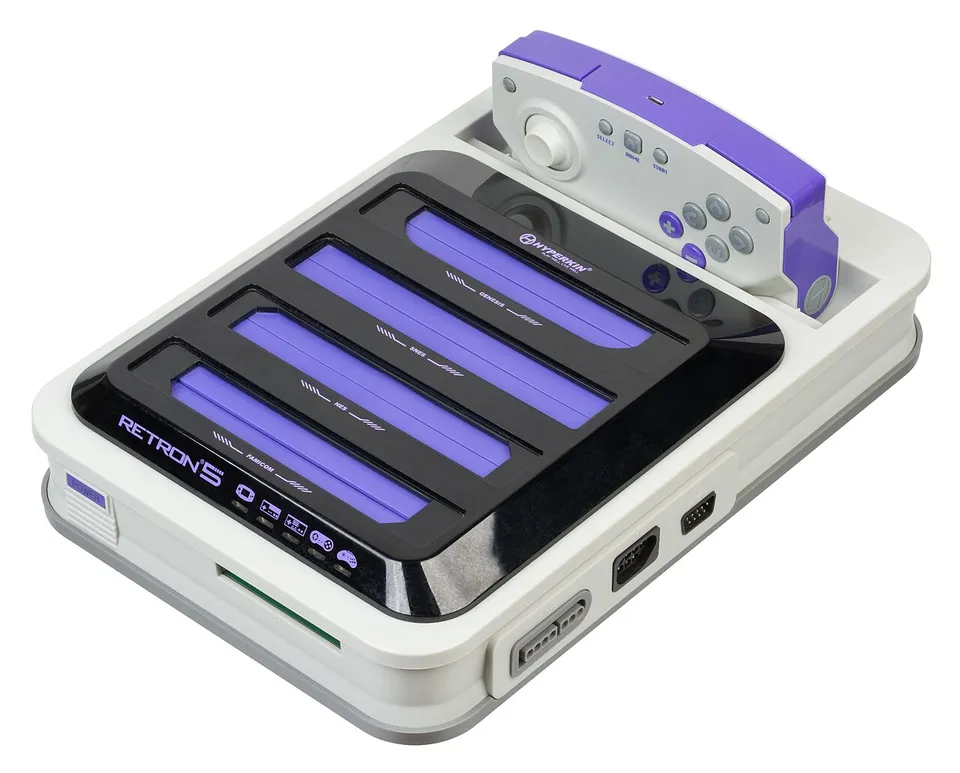
A cartridge console from Hyperkin with slots for NES, Famicom, SNES, Super Famicom, Mega Drive and Game Boy cartridges, which it plays in software emulation over 720p HDMI, with save states and cheats.
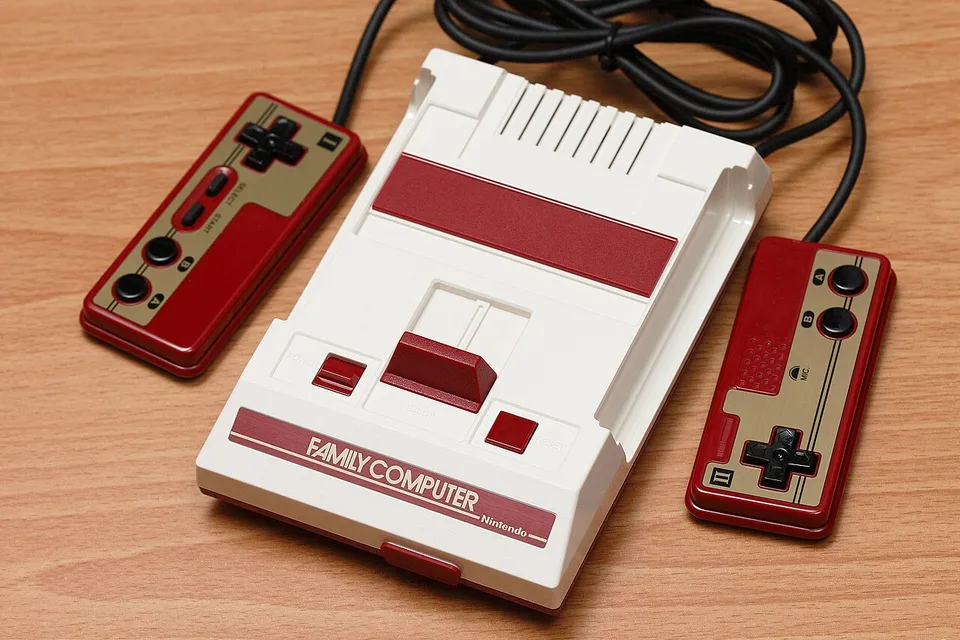
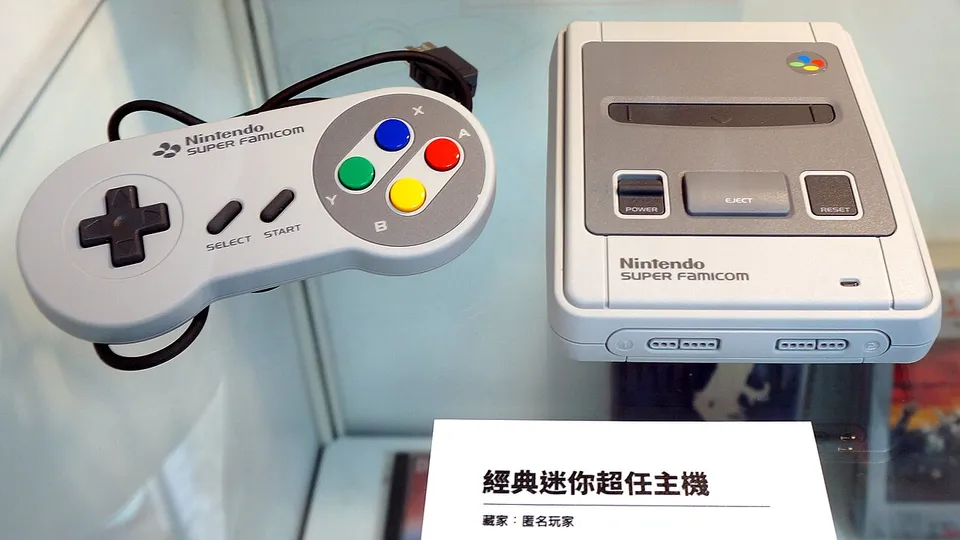
Nintendo's miniature Famicom for Japan, about 60% of the original's size, with 30 built-in games. As on the original, its two controllers are wired to the console.
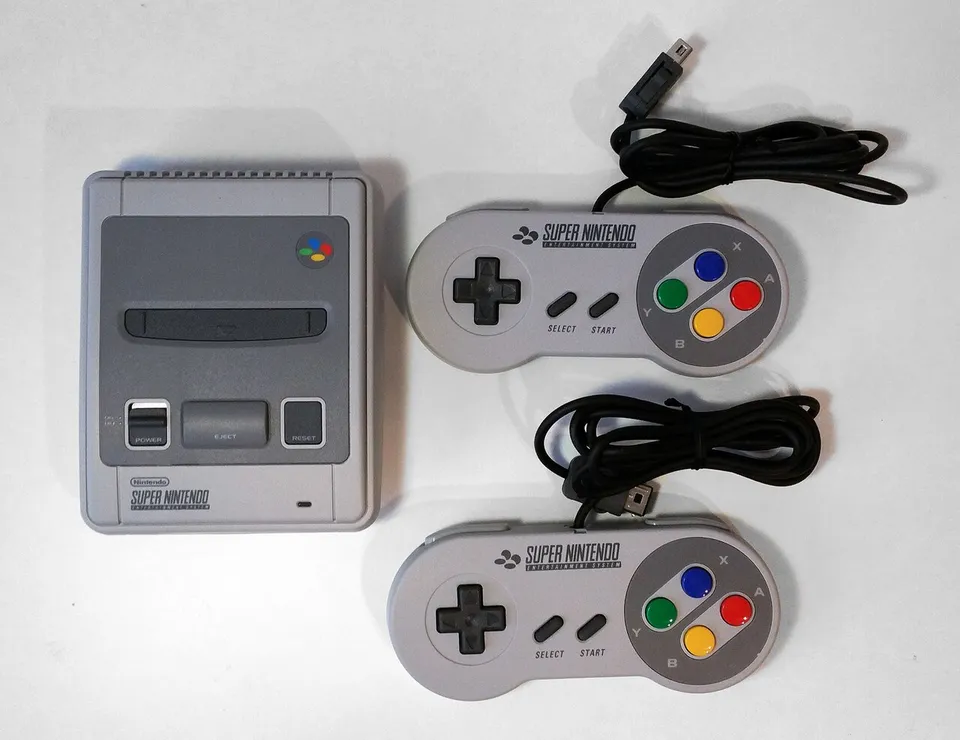
Nintendo's miniature SNES with 21 built-in games, including the previously unreleased Star Fox 2. Sold as the Super NES Classic Edition in North America.
A modular console that installs games from original discs and cartridges and runs them in software emulation. The base unit reads CD-based games; Element Modules, sold separately, add NES, SNES, Mega Drive, N64 and other cartridge slots.
A TV console for Evercade's licensed cartridges, which collect emulated arcade, console and home computer games, including C64 and Amiga collections. It has two cartridge slots, 1080p HDMI output and four-player support.
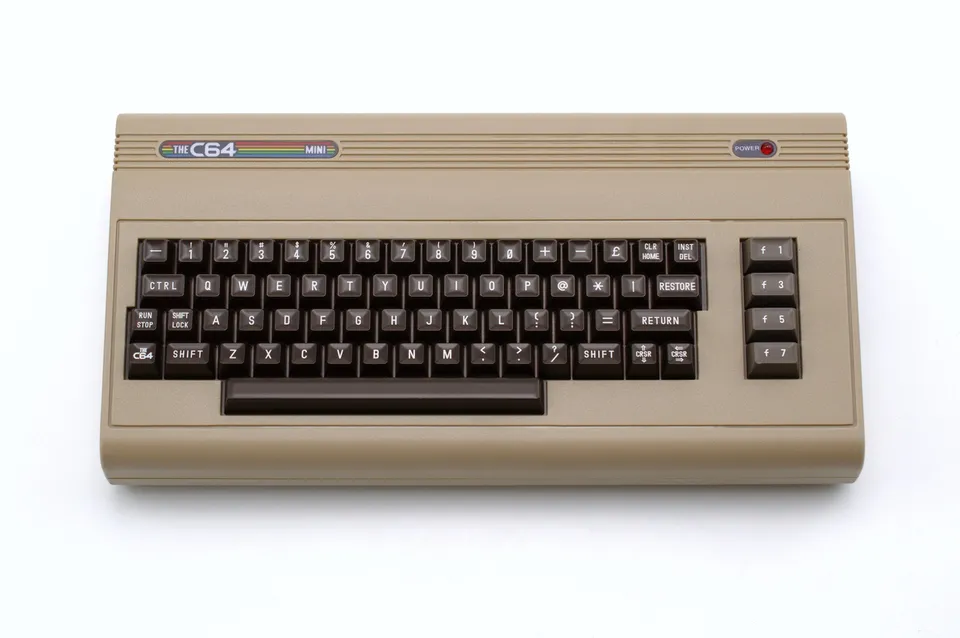
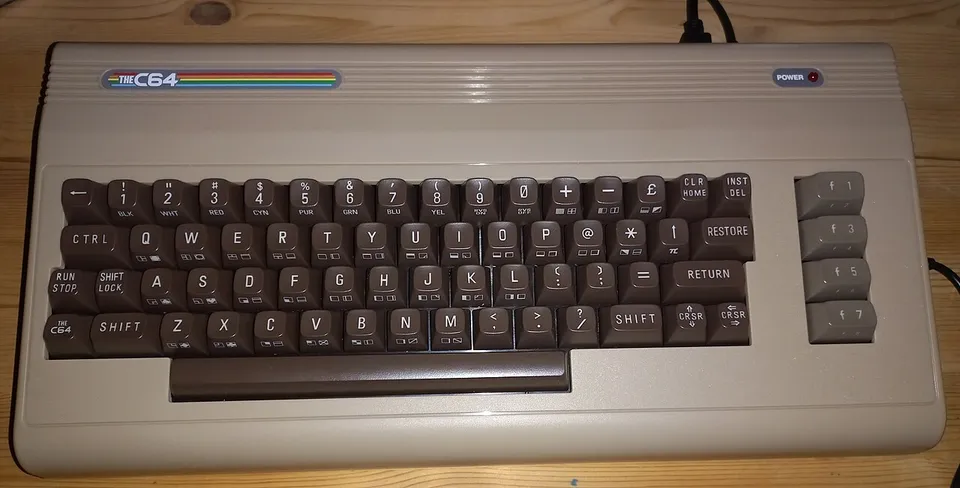
A black version of the half-size THEC64 Mini that ships with 25 modern C64 games instead of classic titles. Like the original, it loads your own programs from a USB stick.
A full-size Amiga 1200 replica with a working keyboard, emulating AGA as well as the A500's OCS and ECS chipsets. Ships with Workbench, a mouse and a gamepad, and loads WHDLoad games from USB.
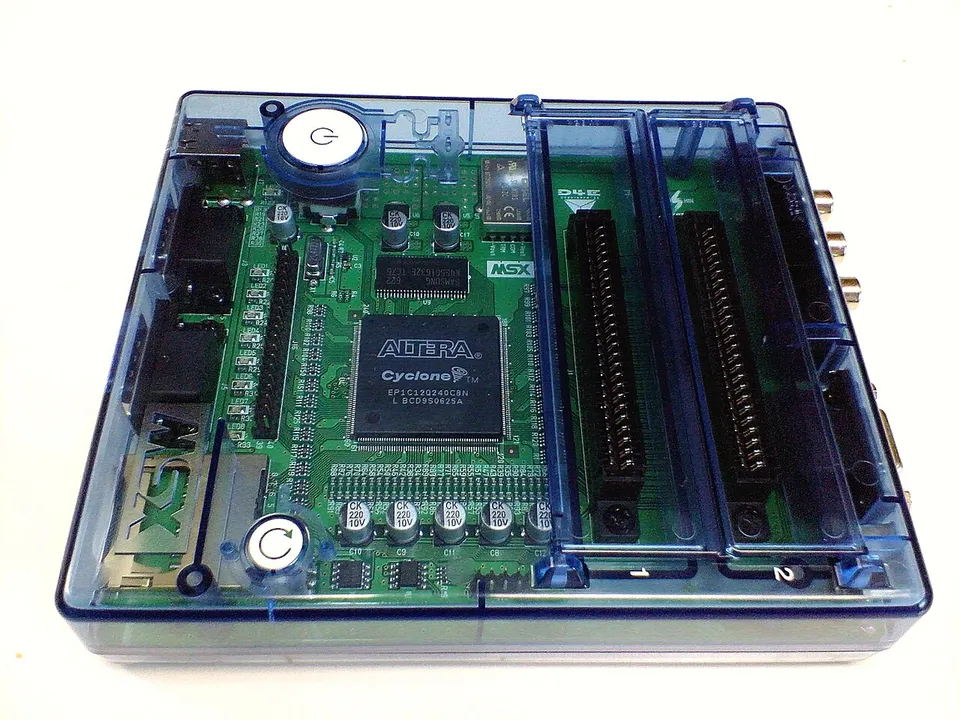
An FPGA re-implementation of an MSX2 with MSX-MUSIC and SCC+ sound, designed by ESE Artists' Factory and sold in Japan by D4 Enterprise. It has two cartridge slots and an SD card slot for disk images, but no floppy drive.
An FPGA board designed by Till Harbaum to re-create the Amiga and Atari ST, later joined by many 8-bit computer, console and arcade cores. It loads software from an SD card and has analog video output.
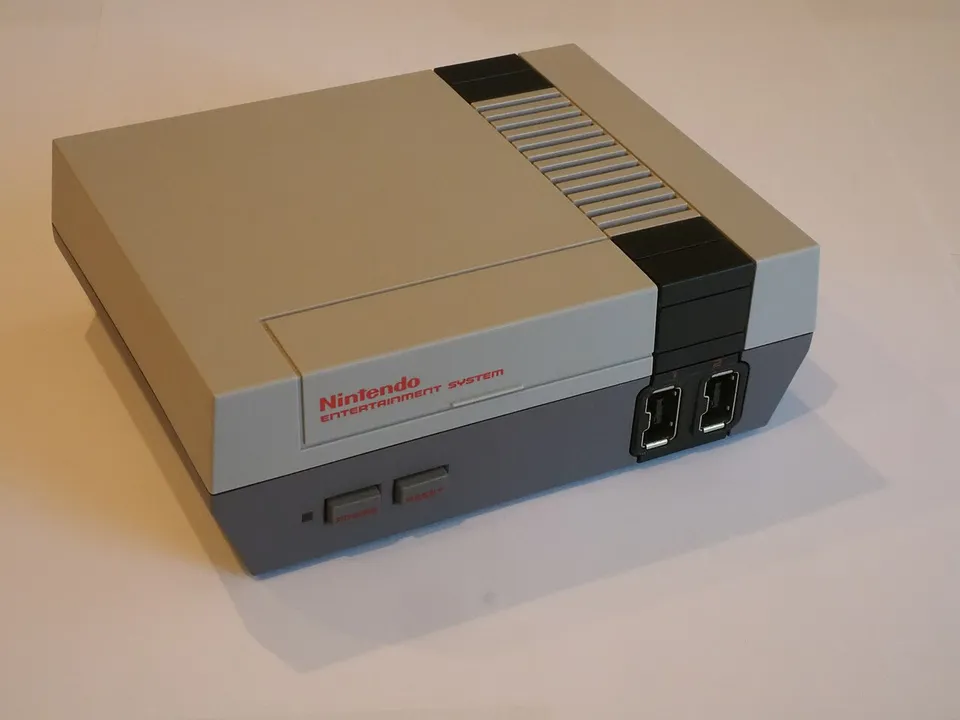
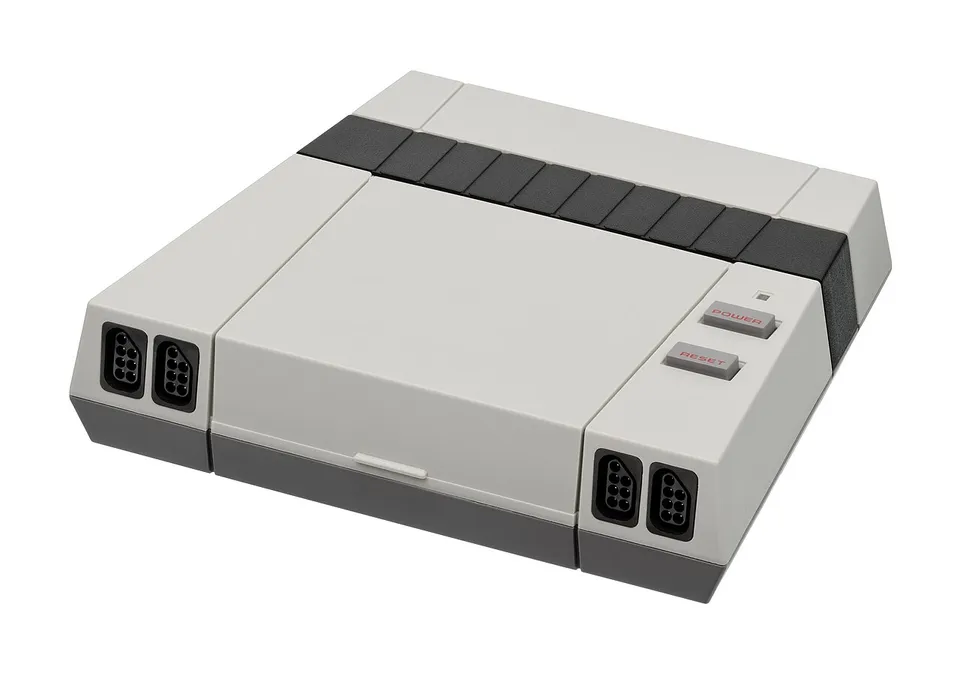
An FPGA console with both NES and Famicom cartridge slots, four controller ports and 720p HDMI output. RetroUSB calls it the first FPGA NES console; it was discontinued in December 2025.
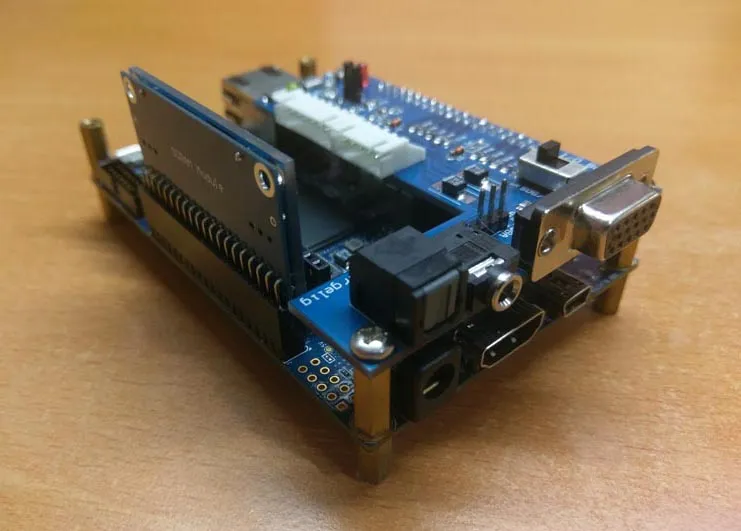
The Intel Cyclone V SoC development board that the MiSTer project is built on. Most MiSTer cores also need an add-on SDRAM board, and analog video needs an I/O board.
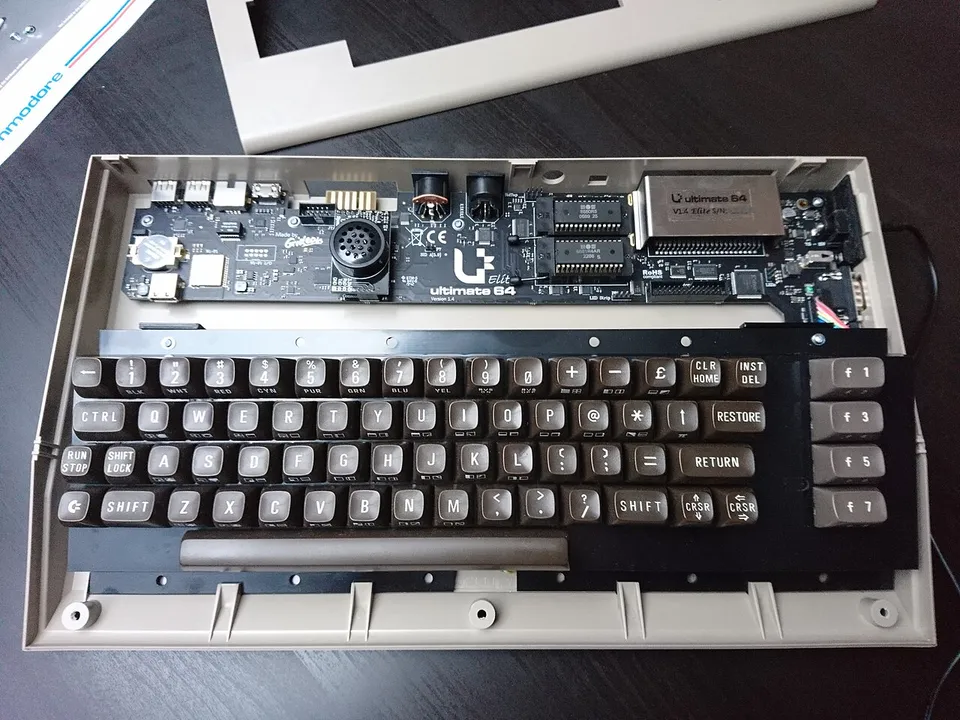
A replacement Commodore 64 motherboard that recreates the C64 in an FPGA and fits an original case. Later revisions are the Ultimate 64 Elite and Elite-II.
An Amiga-compatible computer built around the Apollo 68080 CPU and SuperAGA chipset in an FPGA, with HDMI, USB and Ethernet. Later cores add an Atari ST mode that runs EmuTOS. The current model is the V4+.
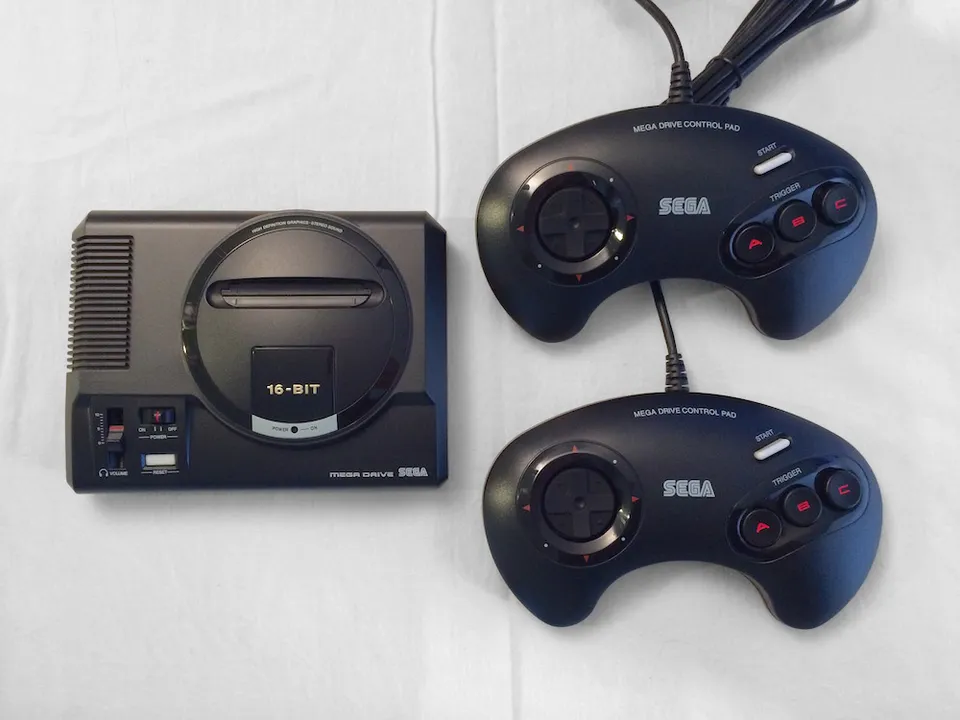
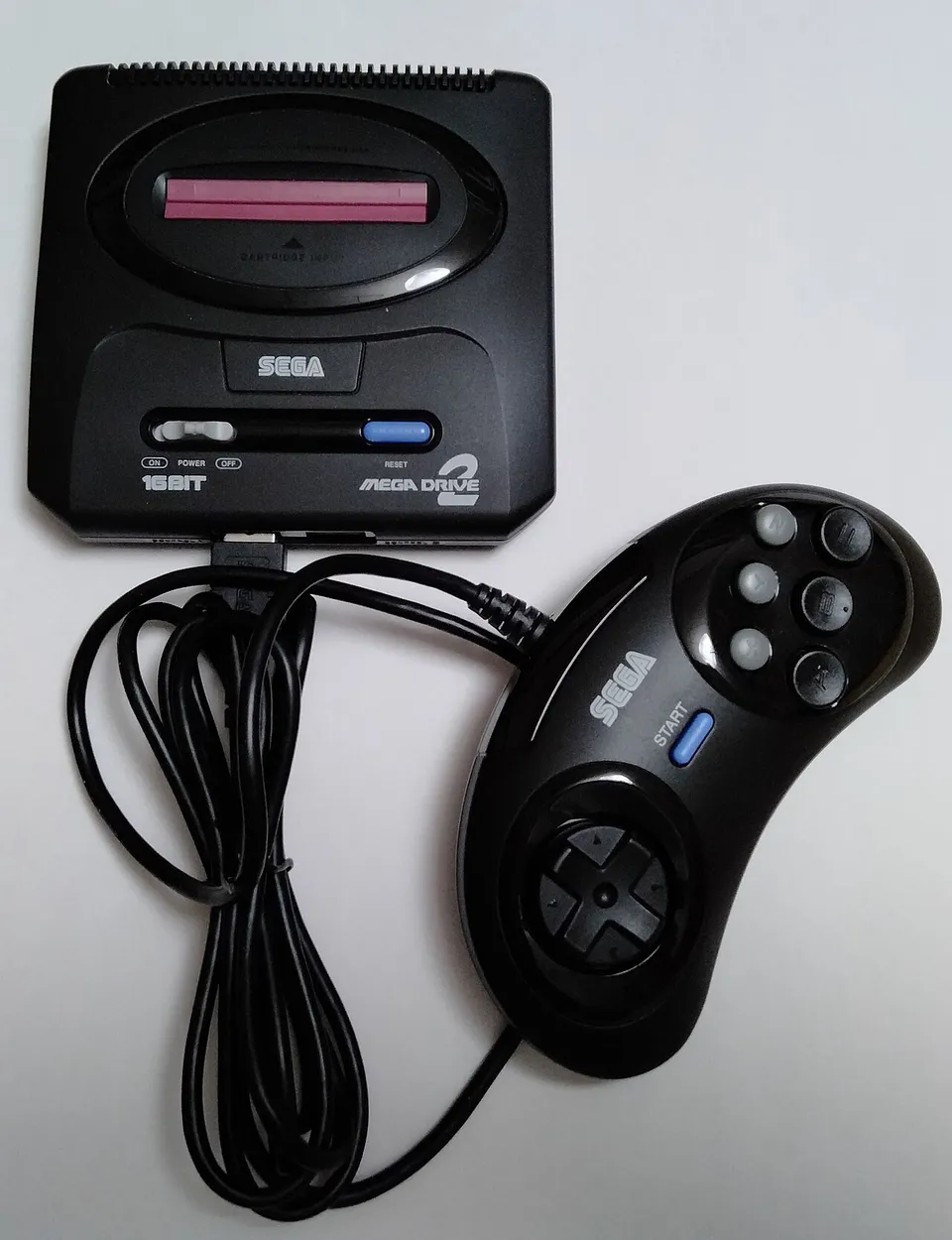
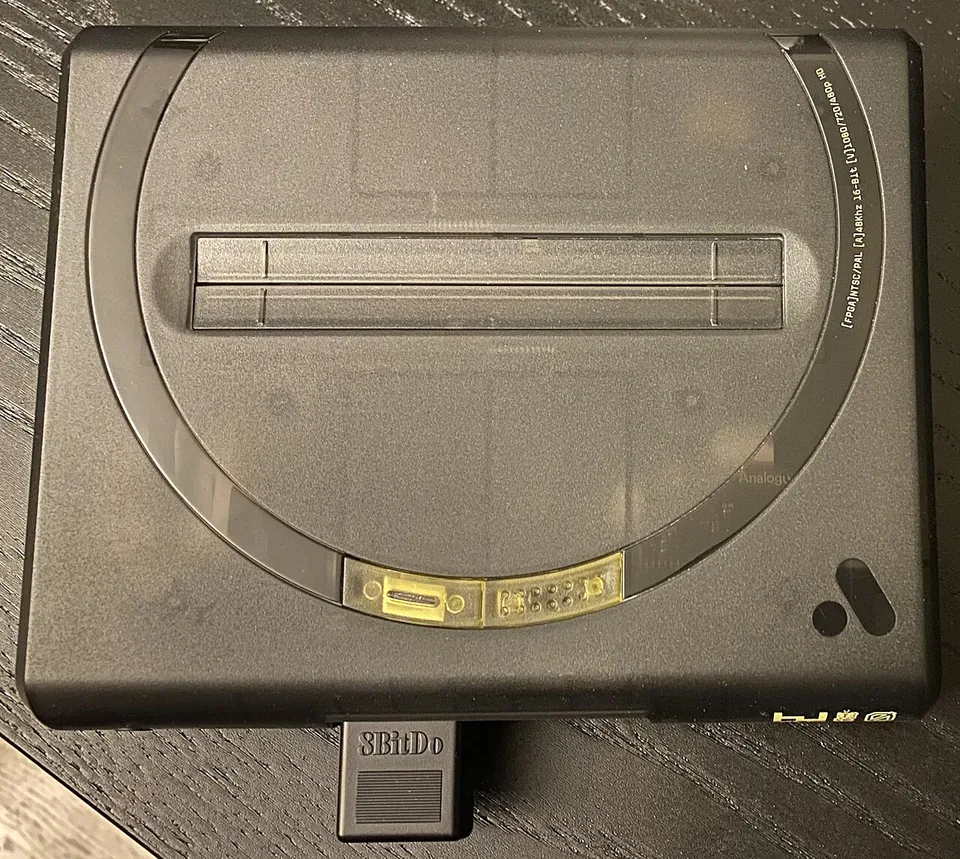
An FPGA console for Mega Drive and Genesis cartridges with HDMI output. A bundled adapter plays Master System cartridges. Analogue announced the Mega Sg+ as its successor in 2026.
A low-cost MiST-compatible FPGA board designed by Manuel Fernández Higueras, with a Cyclone IV FPGA, USB ports for controllers and VGA output. MiST cores are resynthesised for it.
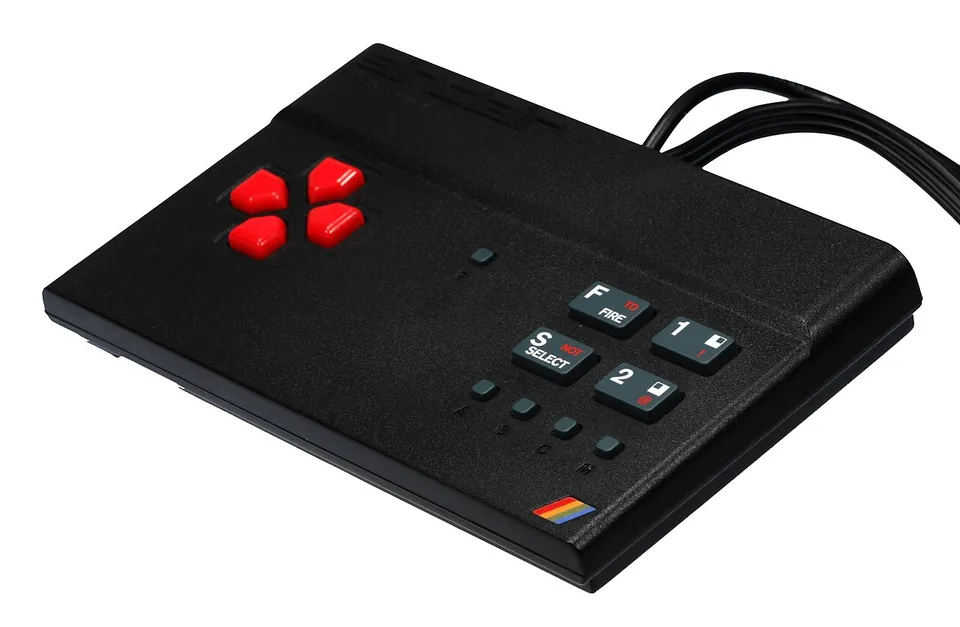
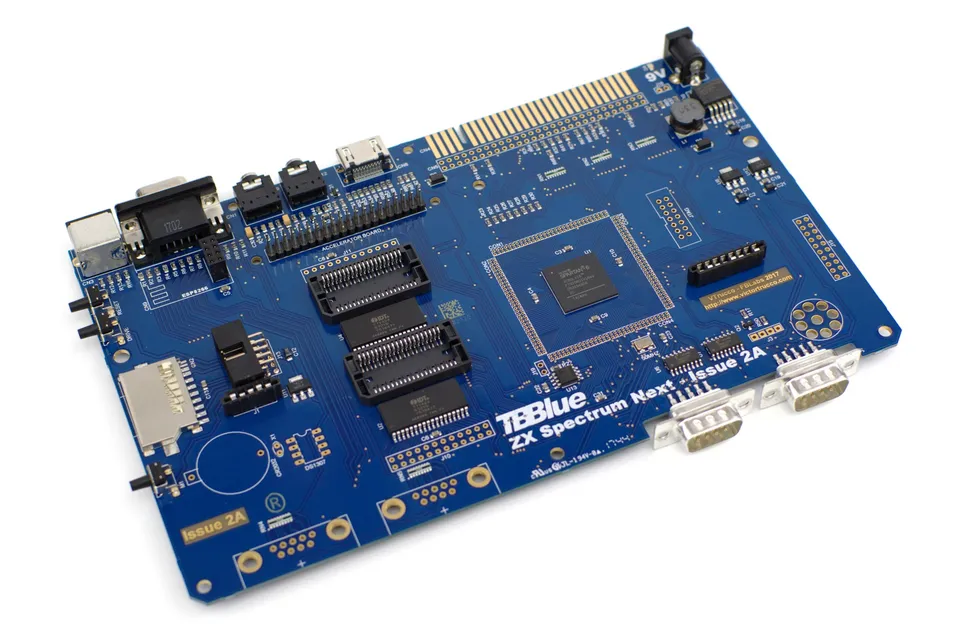
An FPGA-based ZX Spectrum in a keyboard case designed by Rick Dickinson, with faster CPU modes, more memory and new graphics modes. Sold through Kickstarter campaigns.
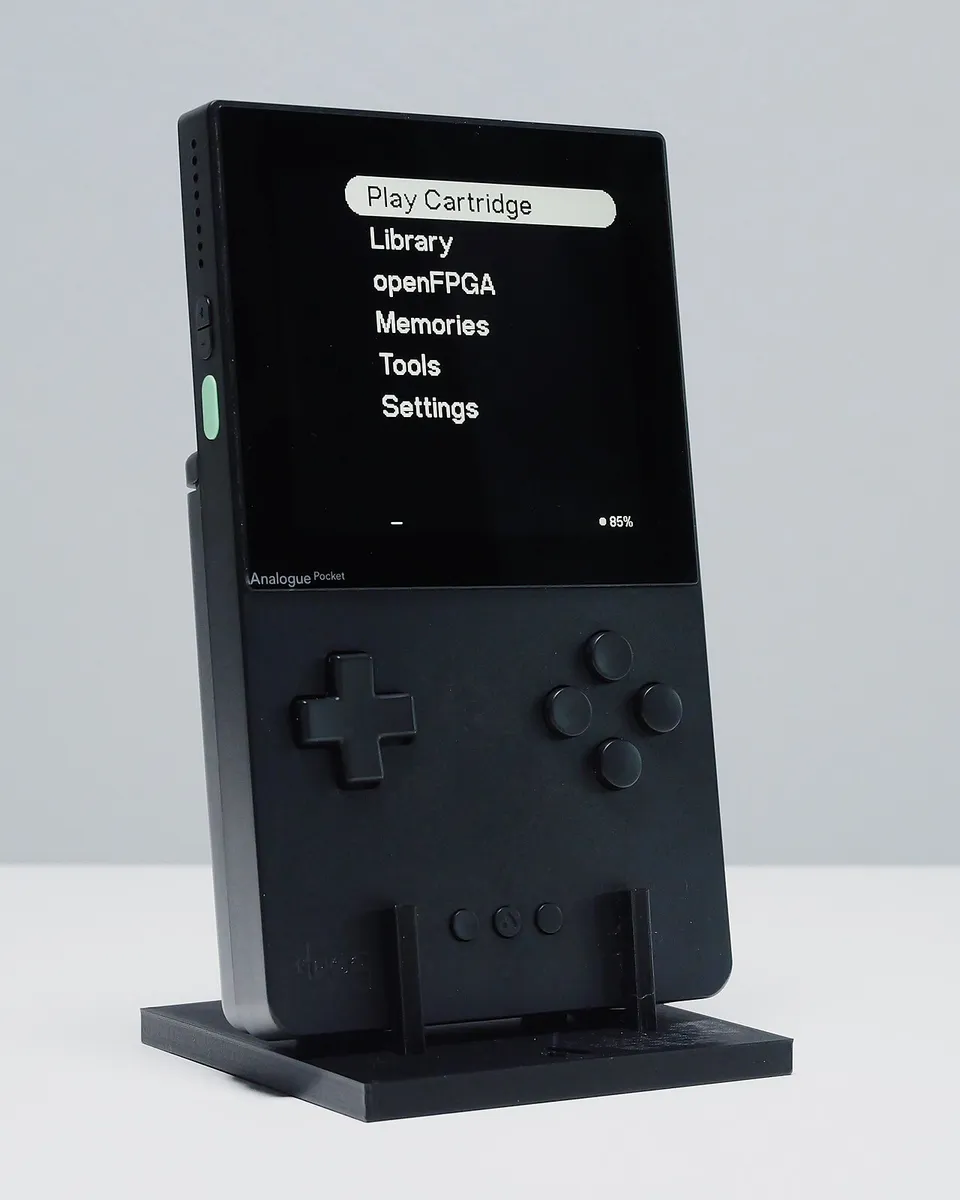
A handheld that plays Game Boy, Game Boy Color and Game Boy Advance cartridges in FPGA. A dock, sold separately, adds HDMI output, and cartridge adapters add other handheld systems.
An FPGA re-creation of the Game Boy Color from FunnyPlaying, sold as a DIY kit for a Game Boy Color-style shell or as an assembled console. It plays original cartridges on a built-in screen.
A low-cost FPGA board from Retro Remake that is compatible with the DE10-Nano used by the MiSTer project. It is sold in production batches, bundled with SDRAM and, in larger packs, an analog I/O board and USB hub.
The successor to the SiDi, a MiST-family FPGA board with a larger Cyclone 10 LP FPGA and two SDRAM chips, adding HDMI, optical audio and joystick ports.
An FPGA-based Commodore 64 in a breadbin case, built on a version of the Ultimate 64 Elite-II board, with ports for original cartridges, disk drives and tape decks.
A ready-built console from Heber that runs the open-source MiSTer FPGA project, with 128 MB SDRAM on board so it plays all standard MiSTer cores. The Analogue model adds RGB and VGA outputs and a cartridge expansion slot.
A MiSTer-compatible FPGA console from Retro Remake styled after the PSone, with ports for original PlayStation controllers and memory cards. It runs the MiSTer cores for other consoles and computers too.
Analogue's successor to the Mega Sg: an FPGA console for Mega Drive and Genesis cartridges with HDMI output and Bluetooth. A Master System cartridge adapter is included, and Mega-CD games need an original Mega-CD unit.
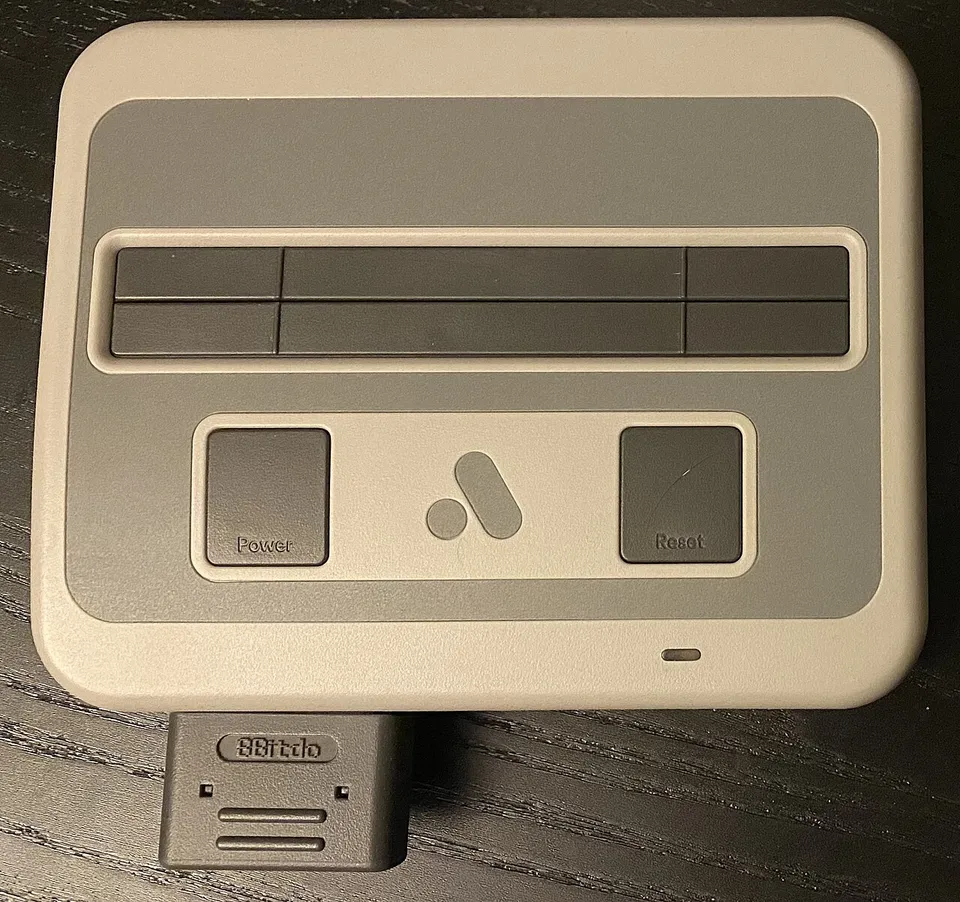
Analogue's successor to the Super Nt: an FPGA console for SNES and Super Famicom cartridges with HDMI output up to 1080p and Bluetooth for wireless controllers. Analog video needs a separate DAC.