Systems
Home computers, consoles, handhelds and arcade machines. Pick one to compare its emulators side by side, and to find the FPGA cores and hardware that play its software.
-
 4 emulators
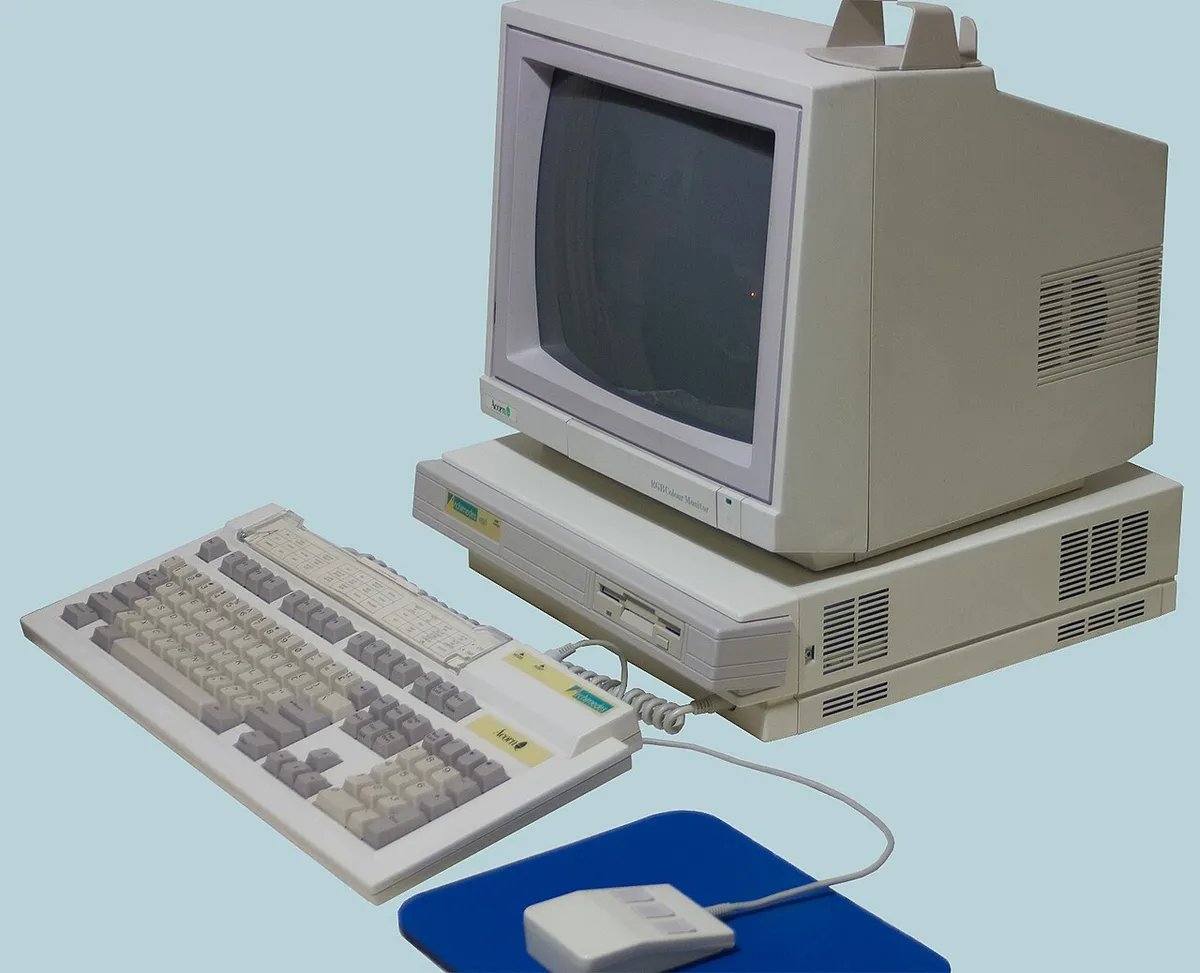
Acorn Archimedes
Acorn Computers · 1987 · Computer
Acorn's successor to the BBC Micro, built around Acorn's own ARM processor. Running Arthur and then RISC OS, it was a fast 32-bit machine popular in British schools.
-
 6 emulators
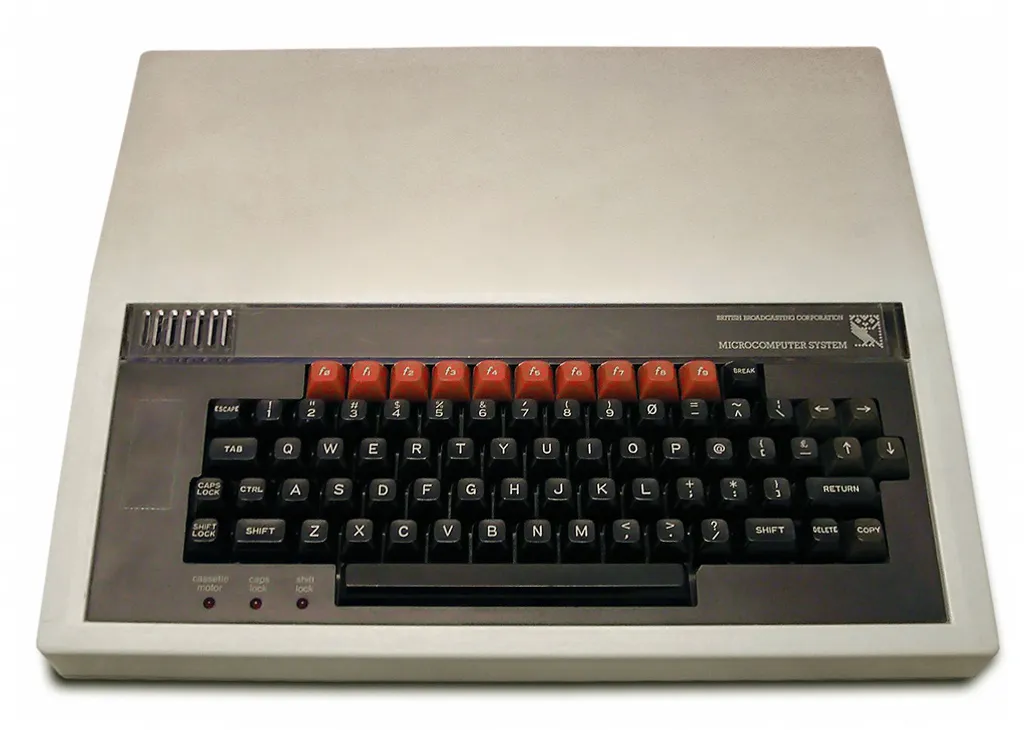
Acorn BBC Micro
Acorn Computers · 1981 · Computer
Built by Acorn for the BBC Computer Literacy Project, it filled British classrooms in the 1980s. Known for its fast BBC BASIC, expandability and games such as Elite and Repton.
-
 6 emulators
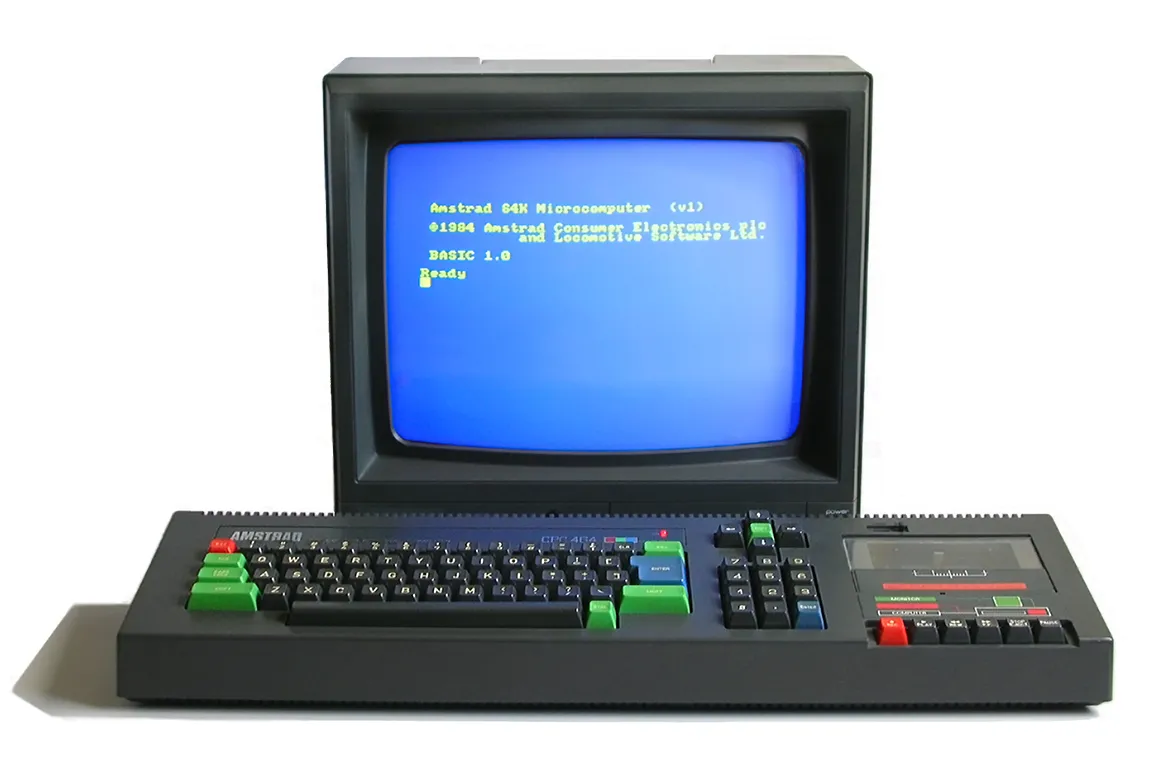
Amstrad CPC
Amstrad · 1984 · Computer
Amstrad's all-in-one home computer sold with its own monitor and a built-in tape or disk drive. Popular in the UK, France and Spain, with a demoscene that is still active.
-
 5 emulators
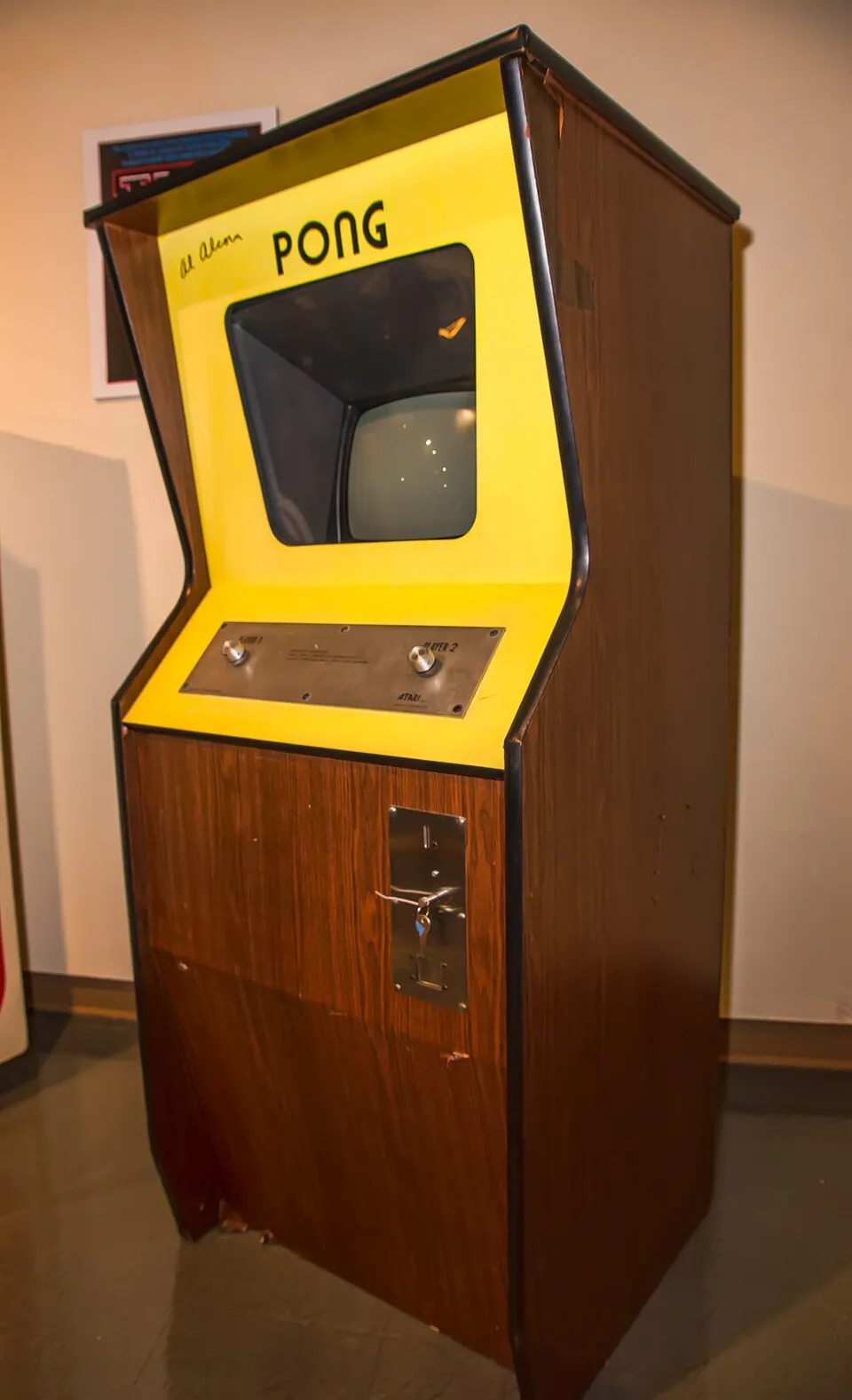
Arcade machines
Various · 1971 · Arcade
Coin-operated video games, from Computer Space and Pong in the early 1970s to 3D boards of the 1990s and later. Most used custom hardware for each game or family of games, which is why arcade emulators cover thousands of boards.
-
 2 emulators
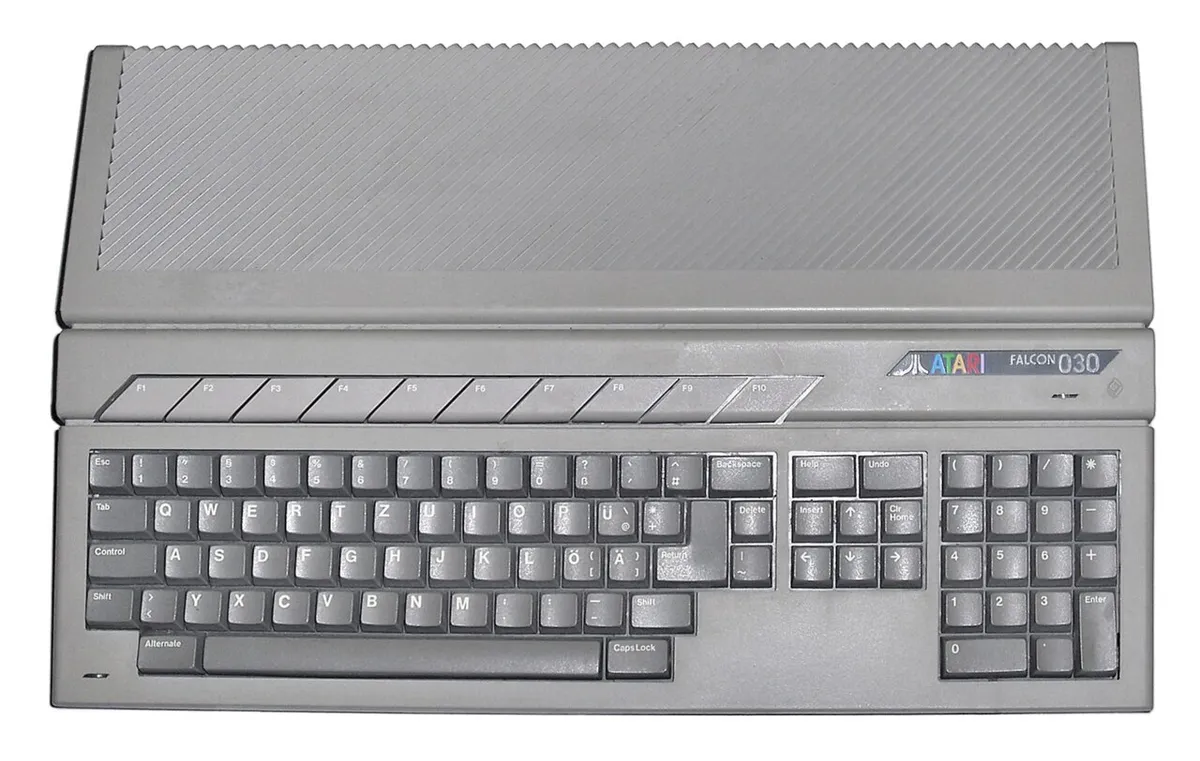
Atari Falcon030
Atari Corporation · 1992 · Computer
Atari's last computer, a 68030 machine with a DSP, 16-bit audio and true-colour graphics. It was discontinued after about a year but kept a following among musicians and demo coders.
-
 4 emulators
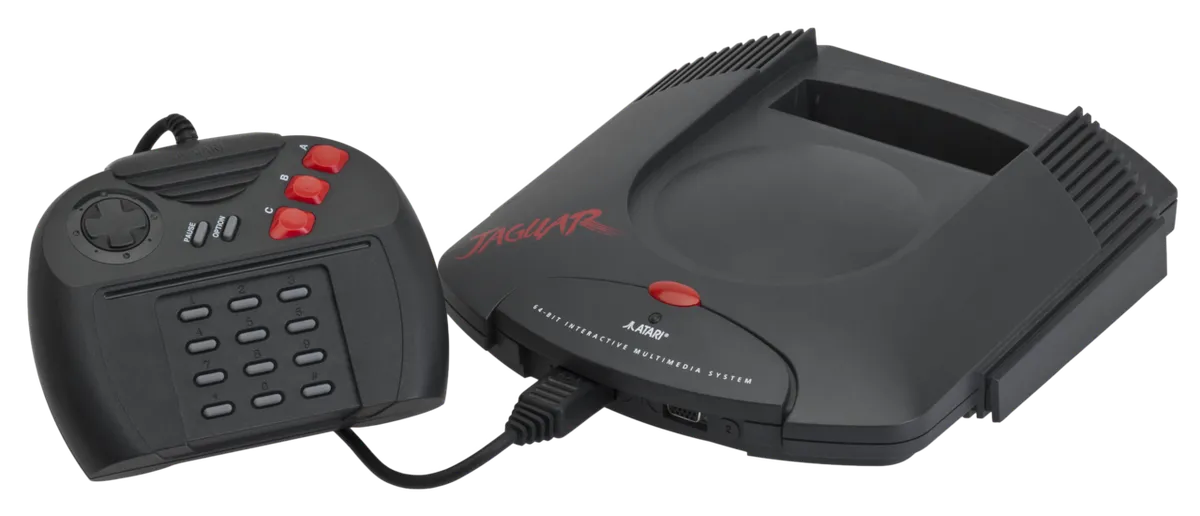
Atari Jaguar
Atari Corporation · 1993 · Console
Atari's last home console, marketed as the first 64-bit system. Its multi-processor design was hard to program and it sold poorly, but it is remembered for Tempest 2000, Alien vs Predator and a lively homebrew scene.
-
 5 emulators
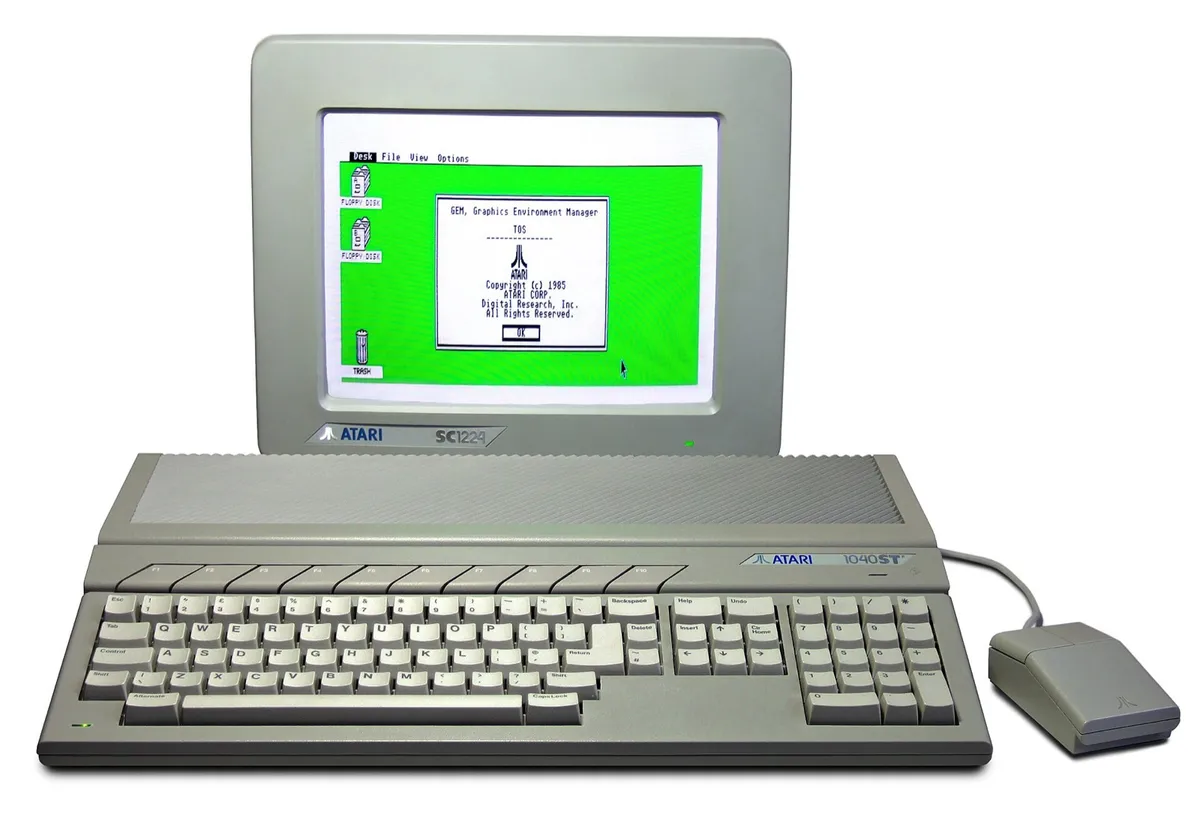
Atari ST
Atari Corporation · 1985 · Computer
A 16/32-bit home computer with the GEM desktop and built-in MIDI ports, which made it a fixture in music studios and home to a lively games and demo scene.
-
 11 emulators
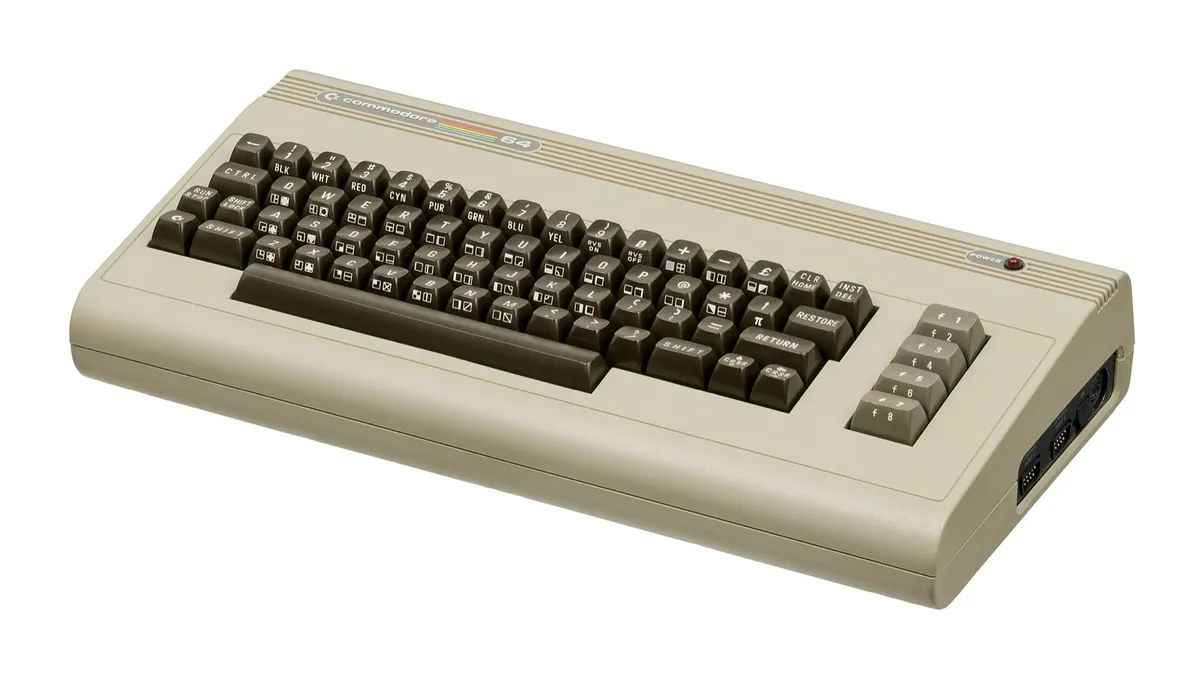
Commodore 64
Commodore · 1982 · Computer
The best-selling single home computer model of all time, remembered for the SID sound chip, VIC-II sprites and a scene that still releases games and demos today.
-
 9 emulators
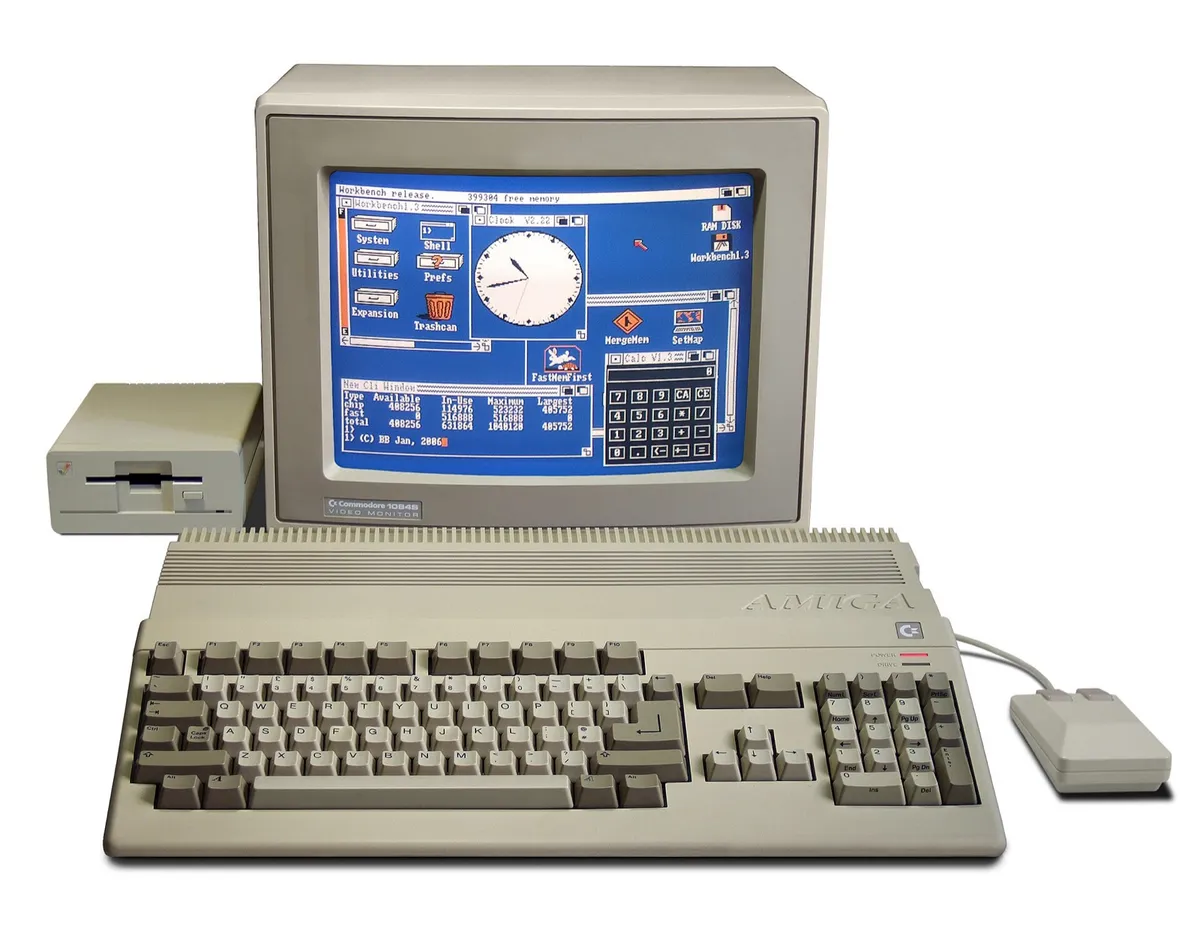
Commodore Amiga
Commodore · 1985 · Computer
A multimedia computer far ahead of its time, with custom chips for graphics, sound and DMA. It defined the demoscene and a generation of games, music trackers and video work.
-
 6 emulators
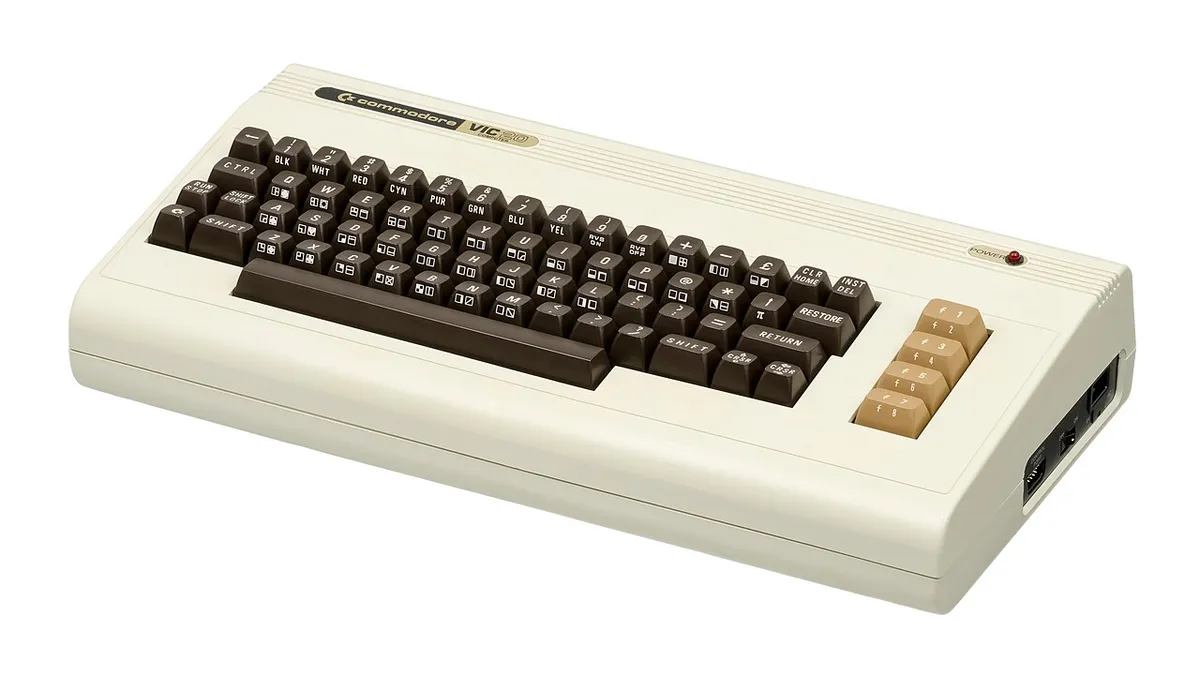
Commodore VIC-20
Commodore · 1980 · Computer
Commodore's first colour home computer and the first to sell a million units. Its 5 KB of RAM and 22-column screen were stretched with cartridges and memory expansions.
-
 10 emulators
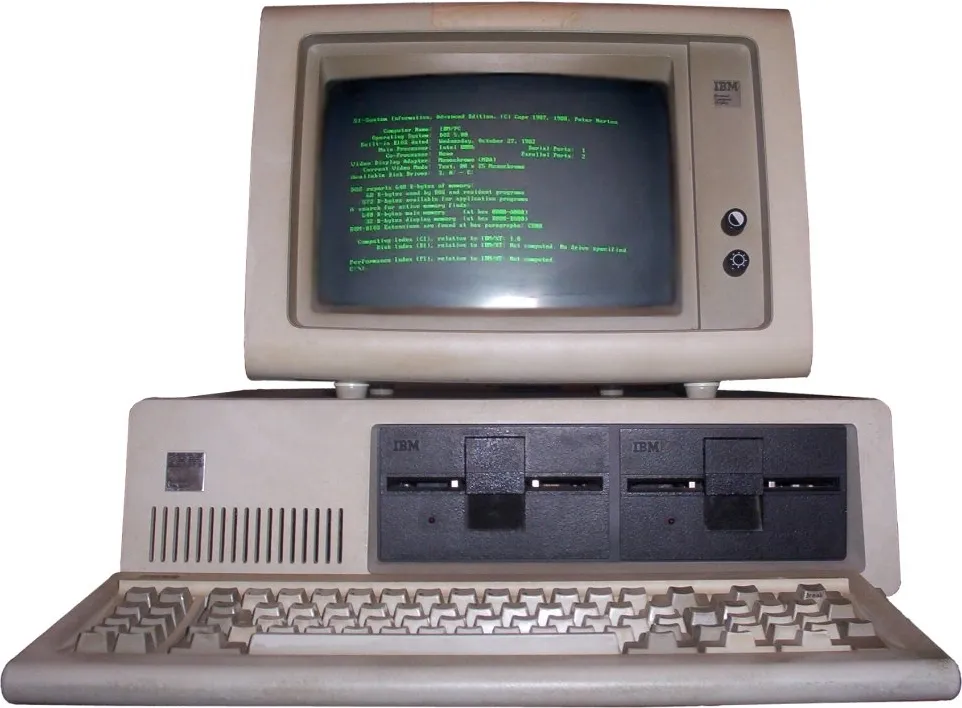
IBM PC & DOS compatibles
IBM and many others · 1981 · Computer
The IBM PC and its clones running MS-DOS and compatibles: home to CGA through SVGA graphics, AdLib and Sound Blaster music, and the shareware era of PC gaming.
-
 11 emulators
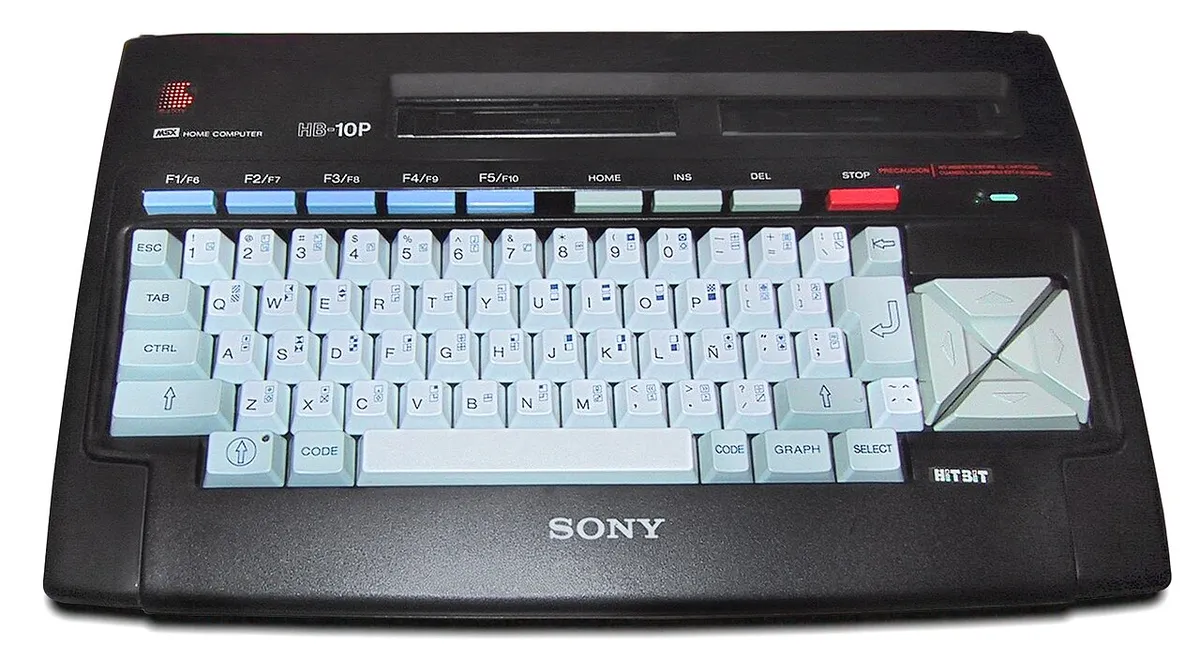
MSX
ASCII Corporation and Microsoft · 1983 · Computer
A shared home computer standard from ASCII and Microsoft, built by Sony, Panasonic, Philips, Yamaha and many other makers. It was big in Japan, Europe and South America and is home to Konami classics such as Metal Gear and Nemesis.
-
 7 emulators
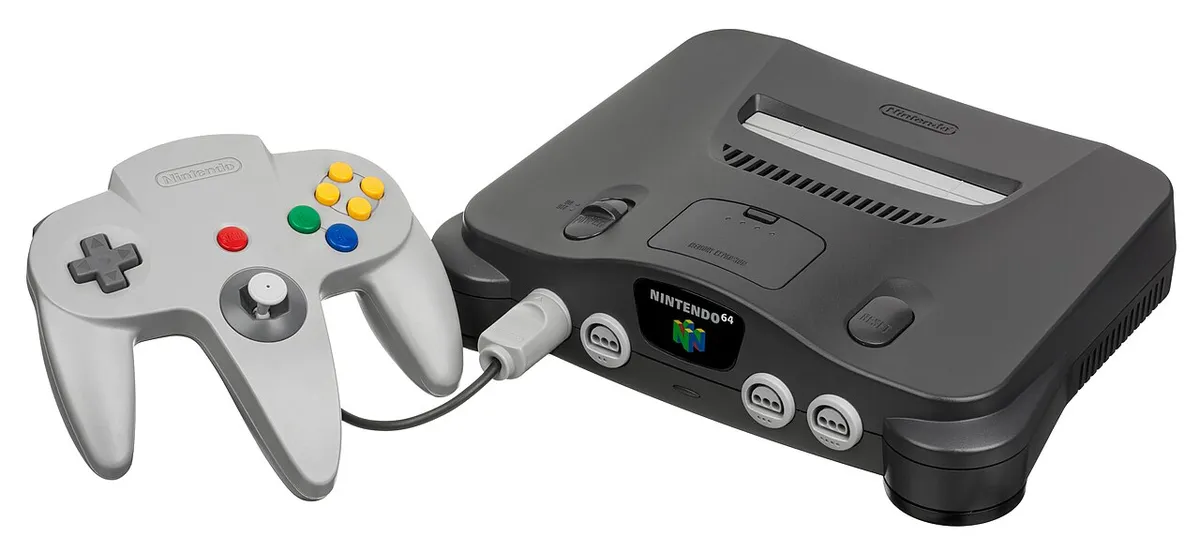
Nintendo 64
Nintendo · 1996 · Console
Nintendo's cartridge-based 3D console, with an analogue-stick controller and a Silicon Graphics-designed graphics chip. Home of Super Mario 64, Ocarina of Time and GoldenEye 007.
-
 11 emulators
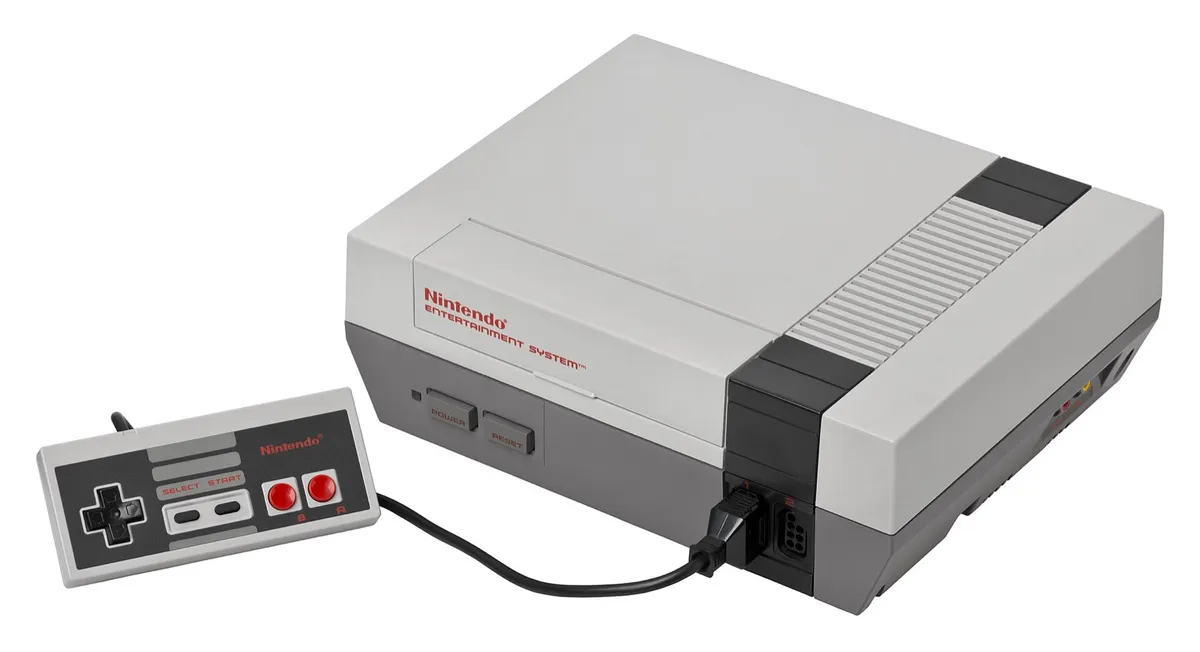
Nintendo Entertainment System
Nintendo · 1983 · Console
Nintendo's 8-bit console, launched as the Famicom in Japan in 1983. It revived the home console market after the 1983 crash and introduced Mario, Zelda and Metroid.
-
 13 emulators
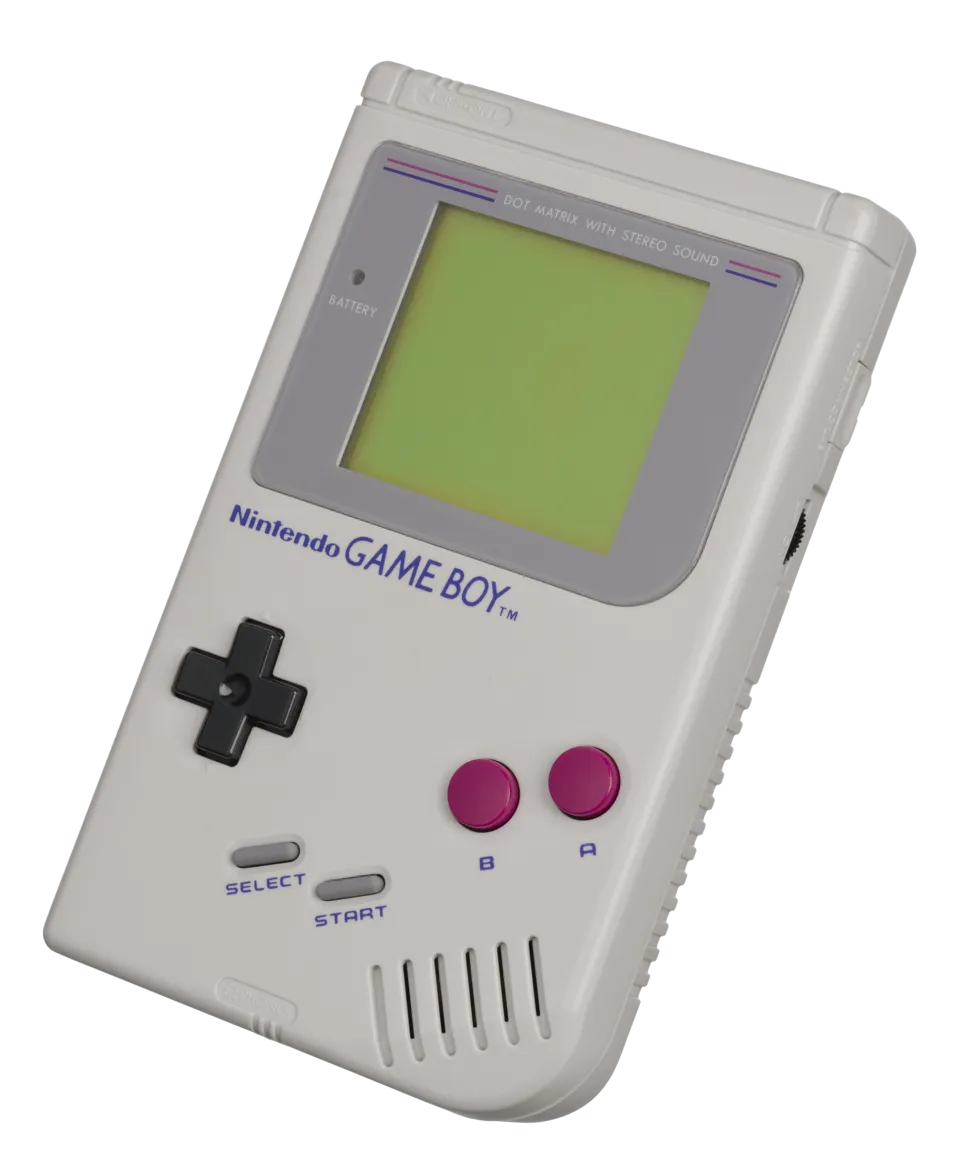
Nintendo Game Boy
Nintendo · 1989 · Handheld
Nintendo's monochrome handheld, which ran for hours on AA batteries and launched with Tetris. It popularised handheld gaming and later became home to Pokémon and a long-lived chiptune scene.
-
 11 emulators
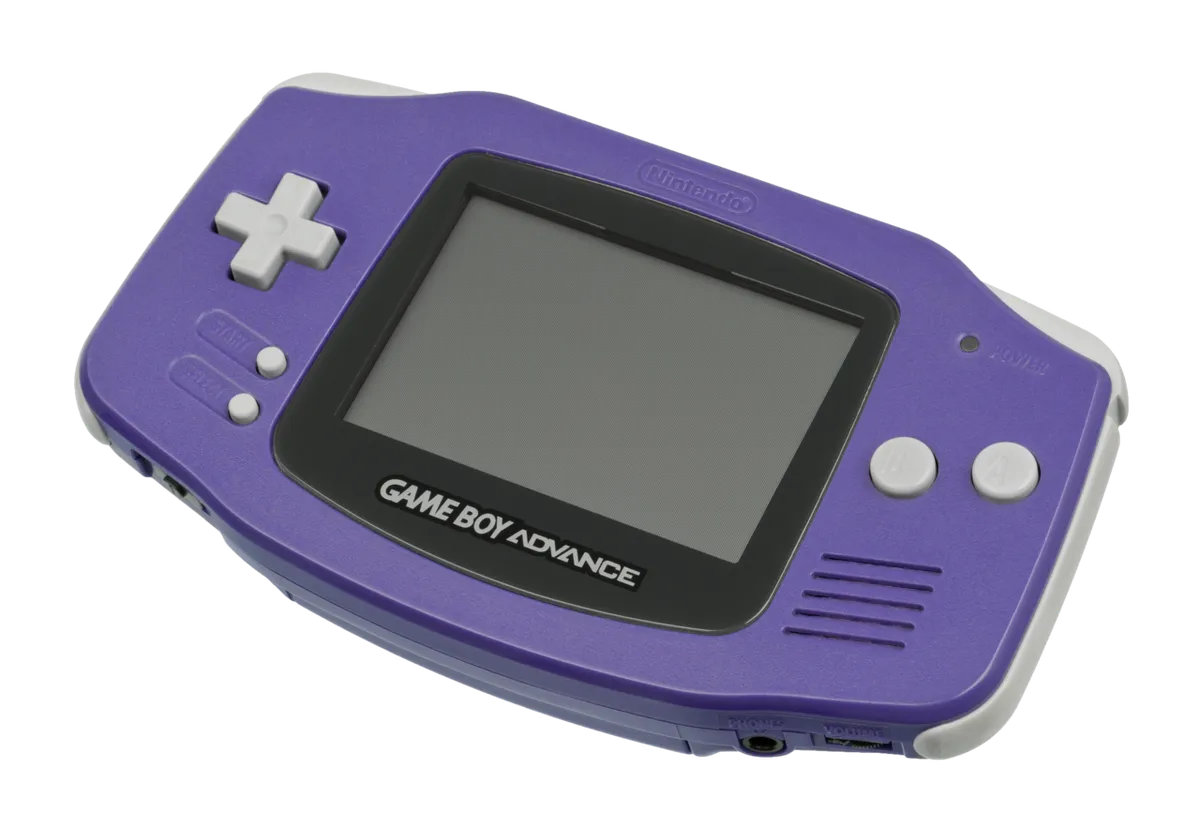
Nintendo Game Boy Advance
Nintendo · 2001 · Handheld
Nintendo's 32-bit handheld, with sprite and tile graphics often compared to the SNES. It also plays Game Boy and Game Boy Color games and has a large homebrew library.
-
 13 emulators
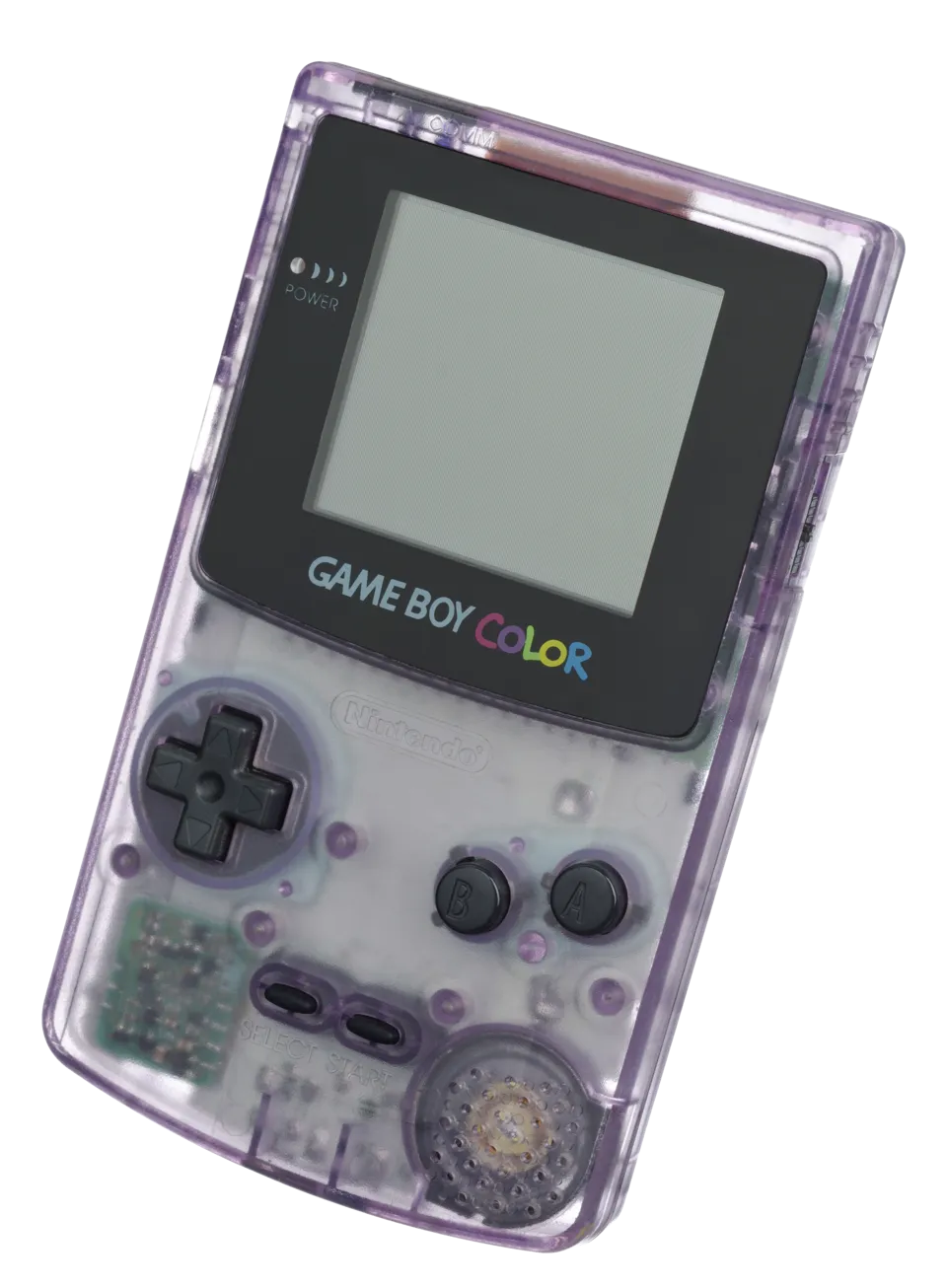
Nintendo Game Boy Color
Nintendo · 1998 · Handheld
The colour successor to the Game Boy, with a faster CPU and more memory. It plays original Game Boy cartridges, optionally colourised, alongside its own colour games.
-
 12 emulators
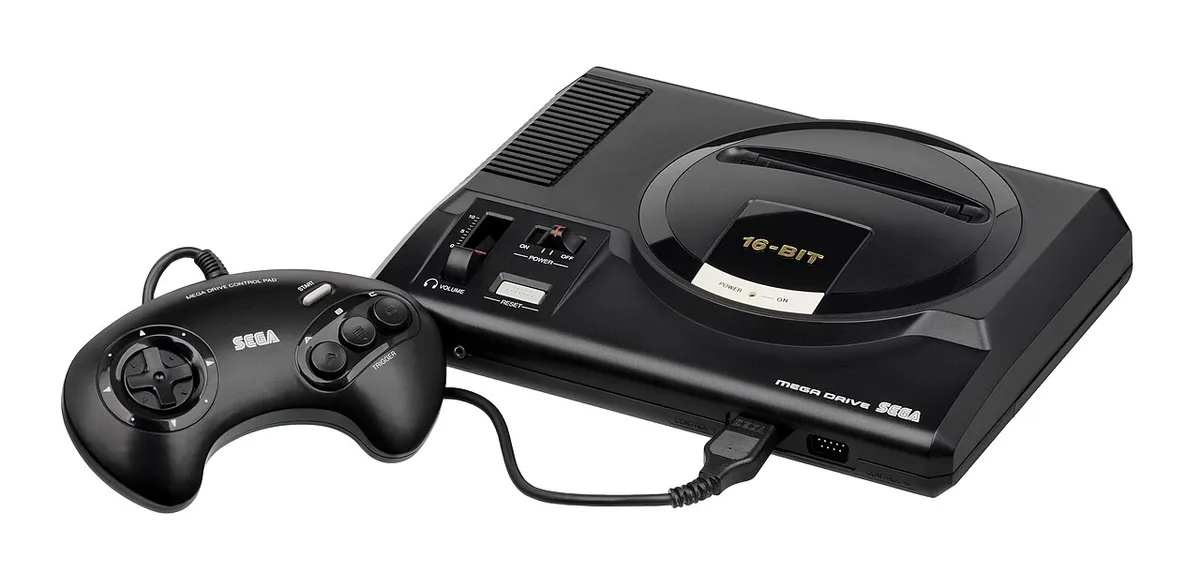
Sega Mega Drive / Genesis
Sega · 1988 · Console
Sega's 16-bit console, sold as the Genesis in North America. It introduced Sonic the Hedgehog, took on Nintendo in the console wars and still has an active homebrew and demo scene.
-
 4 emulators
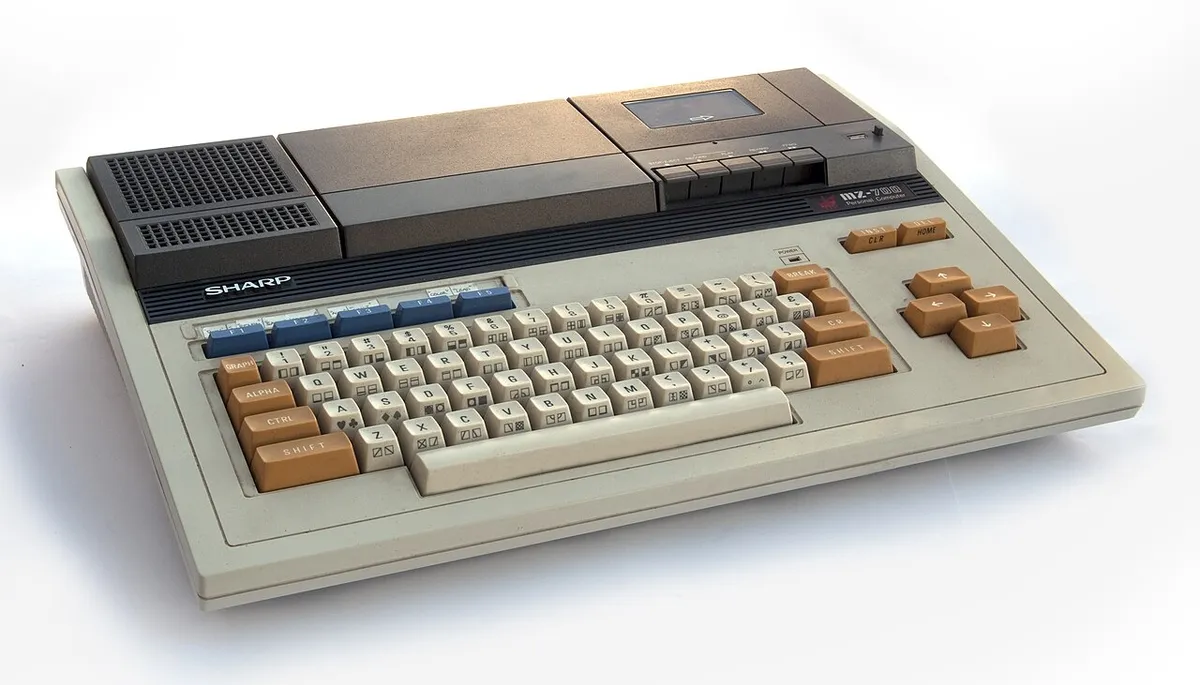
Sharp MZ-700
Sharp · 1982 · Computer
A Z80 home computer from Sharp's MZ line, largely compatible with the MZ-80K. Like other MZ machines it loads its language from tape, and models could include a built-in cassette drive and plotter.
-
 9 emulators
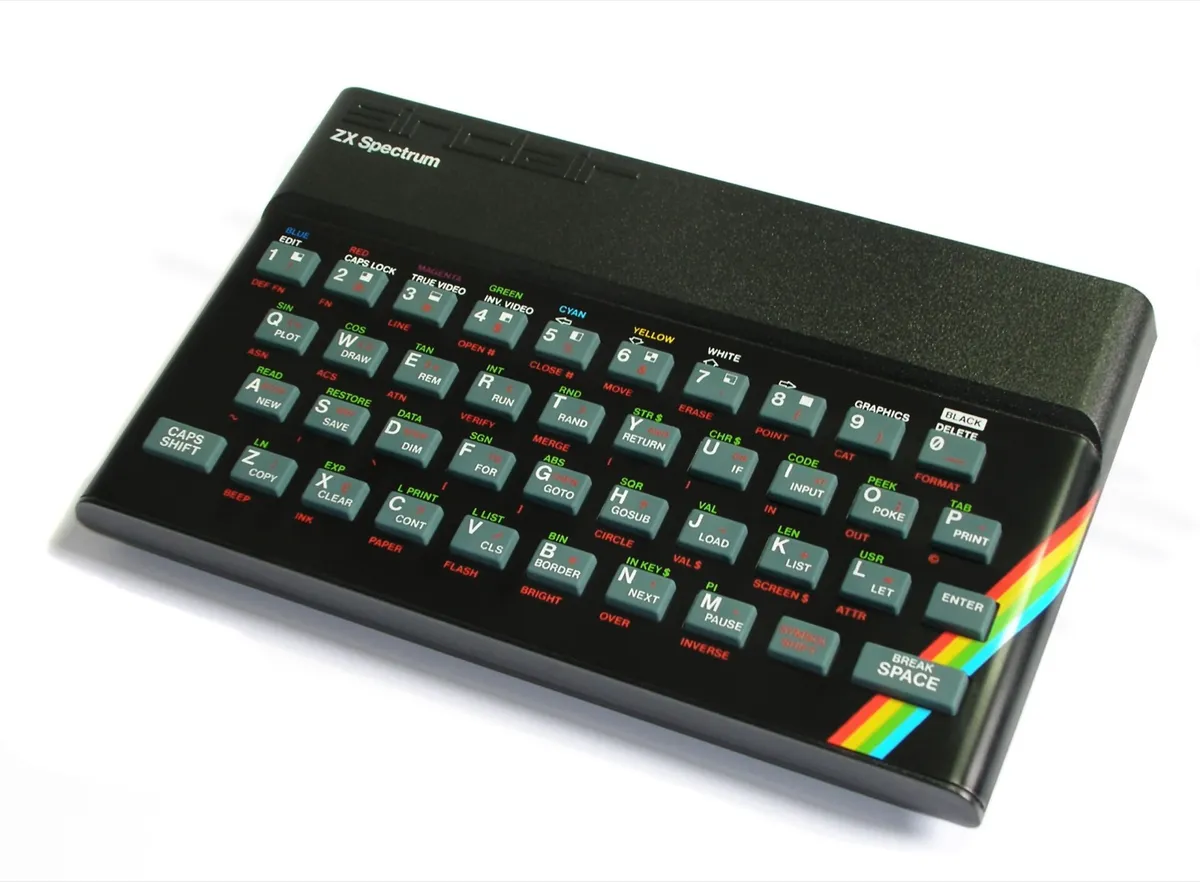
Sinclair ZX Spectrum
Sinclair Research · 1982 · Computer
Sinclair's rubber-keyed home computer, which brought computing to millions of UK and European homes and launched a huge bedroom-coder games industry.
-
 10 emulators
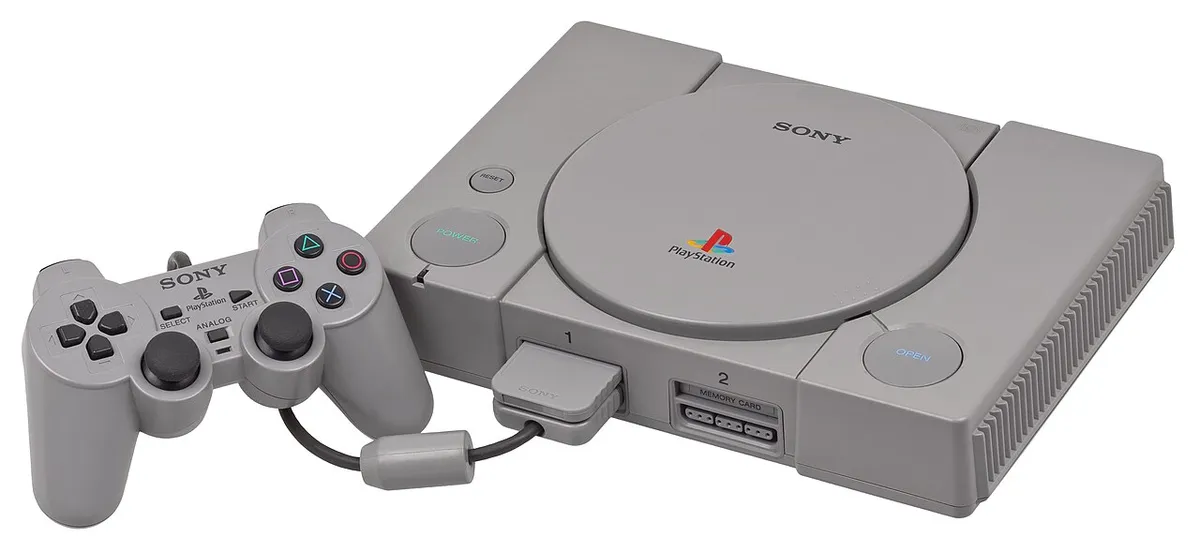
Sony PlayStation
Sony Computer Entertainment · 1994 · Console
Sony's first console, a CD-based 3D machine that sold over 100 million units. Home of Final Fantasy VII, Metal Gear Solid, Gran Turismo and Resident Evil.
-
 11 emulators
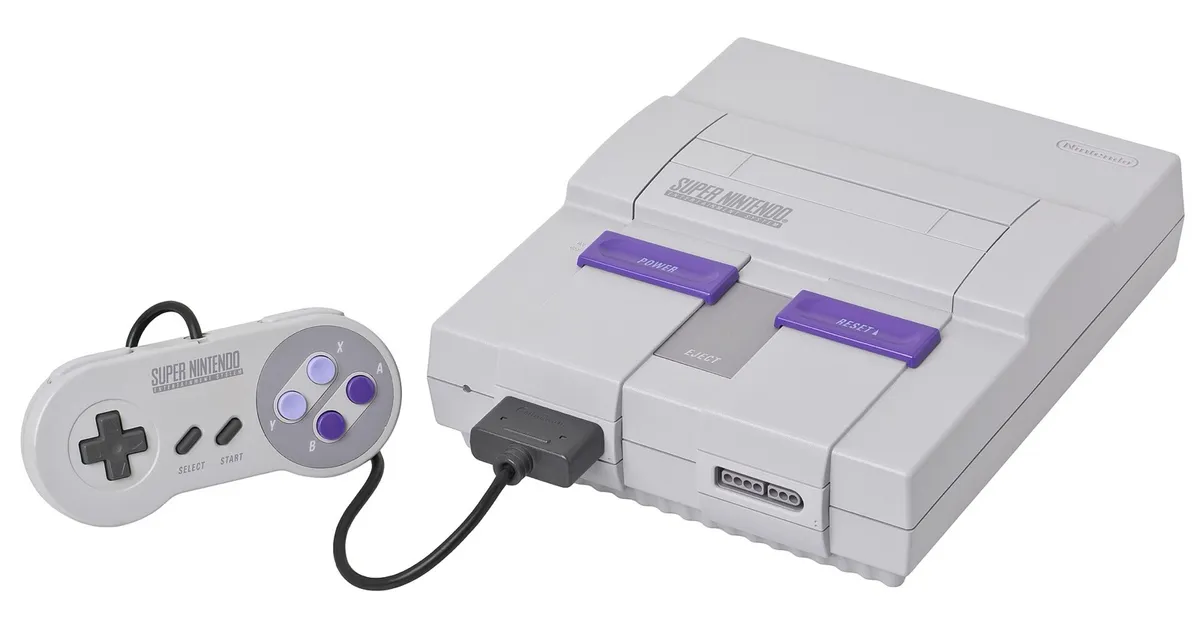
Super Nintendo Entertainment System
Nintendo · 1990 · Console
Nintendo's 16-bit console, with Mode 7 scaling and rotation, a Sony-designed sound chip and enhancement chips like the Super FX inside the cartridges.
-
 3 emulators
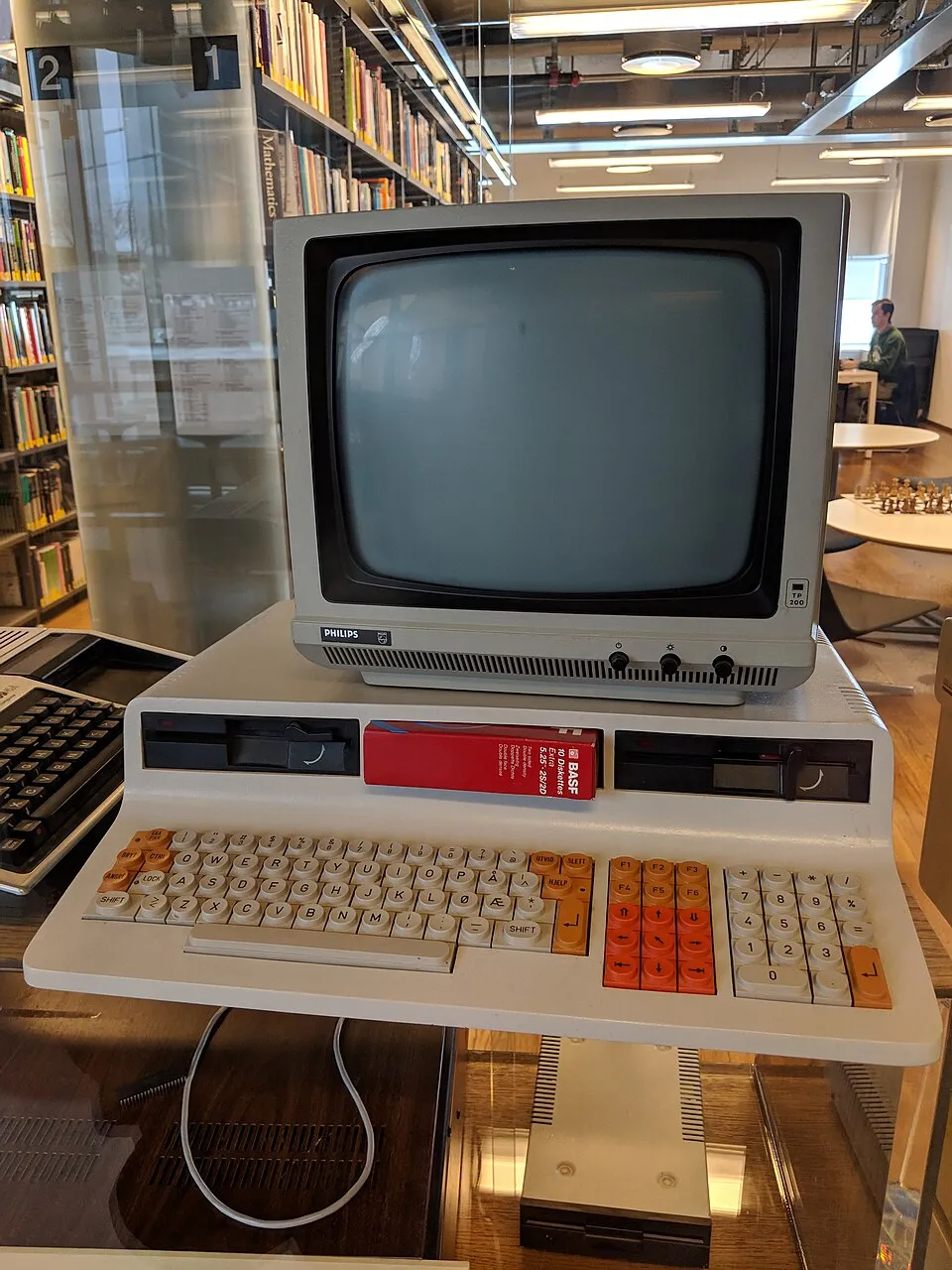
Tiki Data Tiki 100
Tiki Data · 1984 · Computer
A Norwegian Z80 desktop computer, launched as the Kontiki-100 and widely used in Norwegian schools. It ran TIKO, a CP/M 2.2-compatible operating system, and had colour graphics and three-channel sound.