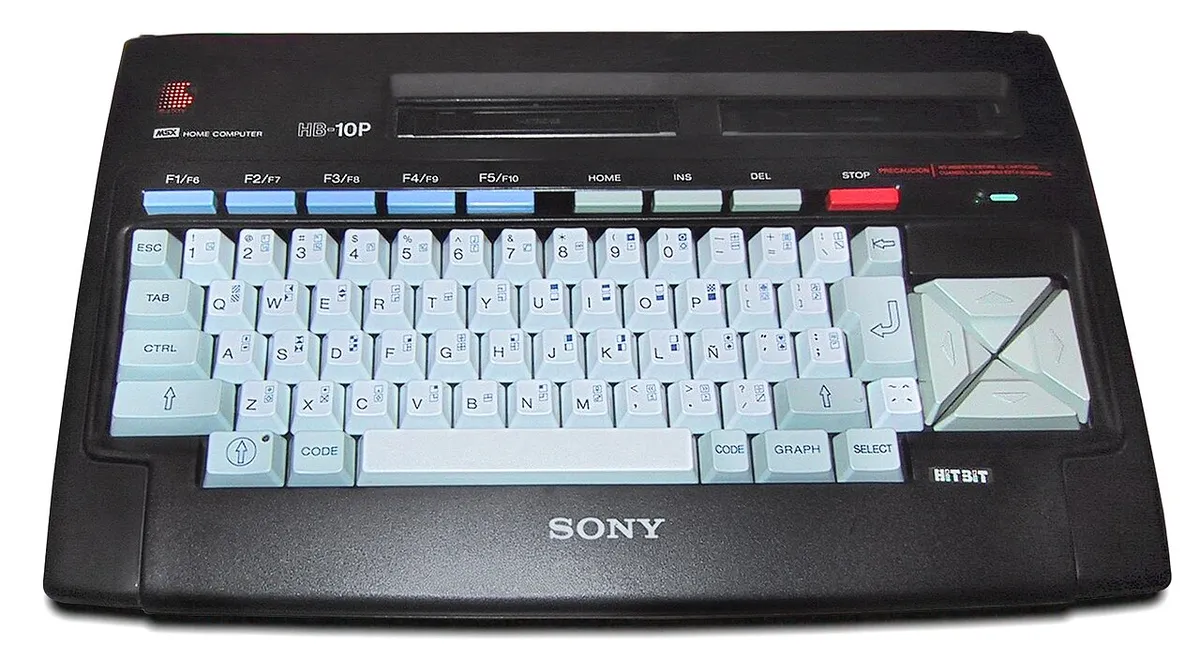
A shared home computer standard from ASCII and Microsoft, built by Sony, Panasonic, Philips, Yamaha and many other makers. It was big in Japan, Europe and South America and is home to Konami classics such as Metal Gear and Nemesis.
A multi-system emulator focused on accuracy and preservation, continuing the work of higan. It covers Nintendo, Sega, NEC, SNK and other consoles with a simpler interface.
A Windows MSX emulator that also covers the Spectravideo SVI, ColecoVision and Sega SG-1000. Development of the desktop version stopped years ago; the official site now hosts blueMSX Live, a browser port of its core.
A multi-machine emulator that aims to be invisible: open a disk or tape image and it picks the machine. The CPC, Spectrum and Atari ST are mature; Amiga and early PC support is less complete.
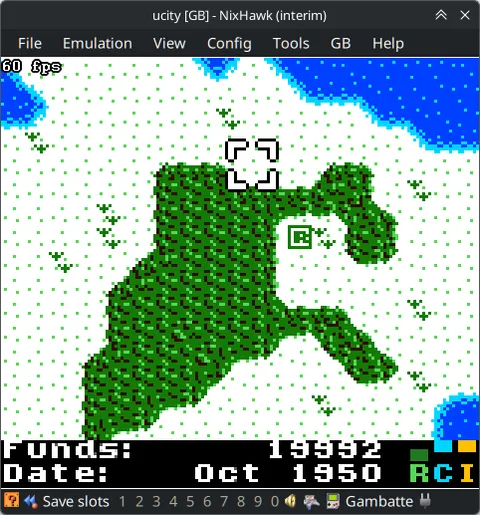
A free Java-based emulator for the Game Boy, Game Boy Color, Master System, Game Gear and MSX, popular with homebrew developers for its debugger with reverse stepping, profiler and VS Code integration.
One of the oldest MSX emulators, developed by Marat Fayzullin since 1993. It emulates MSX, MSX2 and MSX2+ machines, and its source is available for non-commercial use.
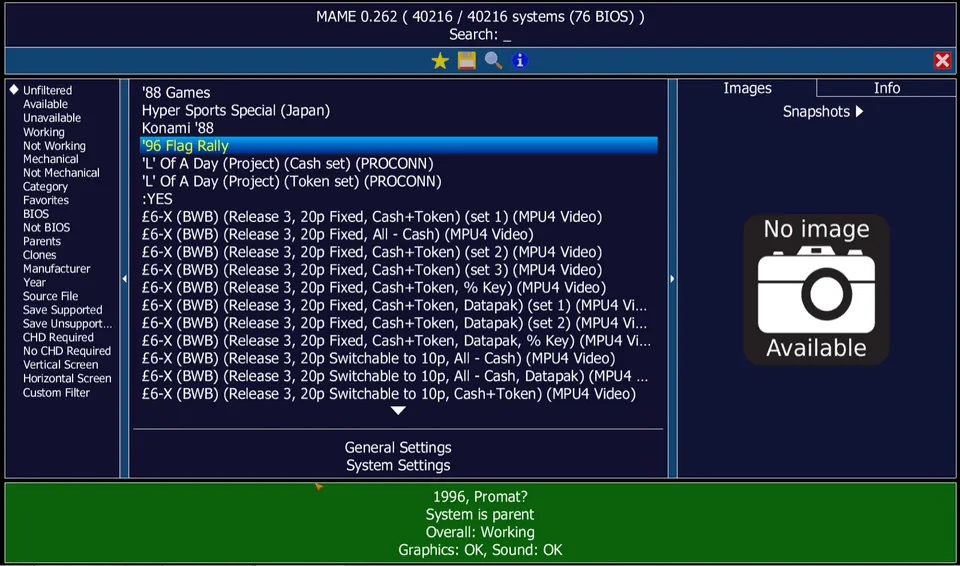
The Multiple Arcade Machine Emulator, a long-running project to document and preserve arcade hardware that covers thousands of boards and, since absorbing MESS, many computers and consoles as well.
An MSX emulator that aims for exact emulation of real machines, with configurations for hundreds of specific models and extensions. It ships with the free C-BIOS so it starts without original ROMs, and has a built-in debugger and Tcl scripting.
A polished emulator for the ZX Spectrum, Amstrad CPC (including the Plus range and GX4000), MSX-1, ColecoVision, SG-1000 and Master System, with a modern interface and display effects. Version 2.0, still offered for developers, has an integrated debugger.
An MSX emulator for the browser covering MSX1, MSX2, MSX2+ and turbo R machines. Software can be started from a single link, and it has touch controls for phones and a shared-machine netplay mode.
A ZX machines emulator covering the ZX80/81, every Spectrum model, the QL, Z88, Spectrum Next and many clones, plus the Amstrad CPC, MSX and Sega Master System, with a very extensive debugger.
Accuracy
High
License
Open source
Since
2013
Nothing matches those filters. Know one we're missing? Add it.
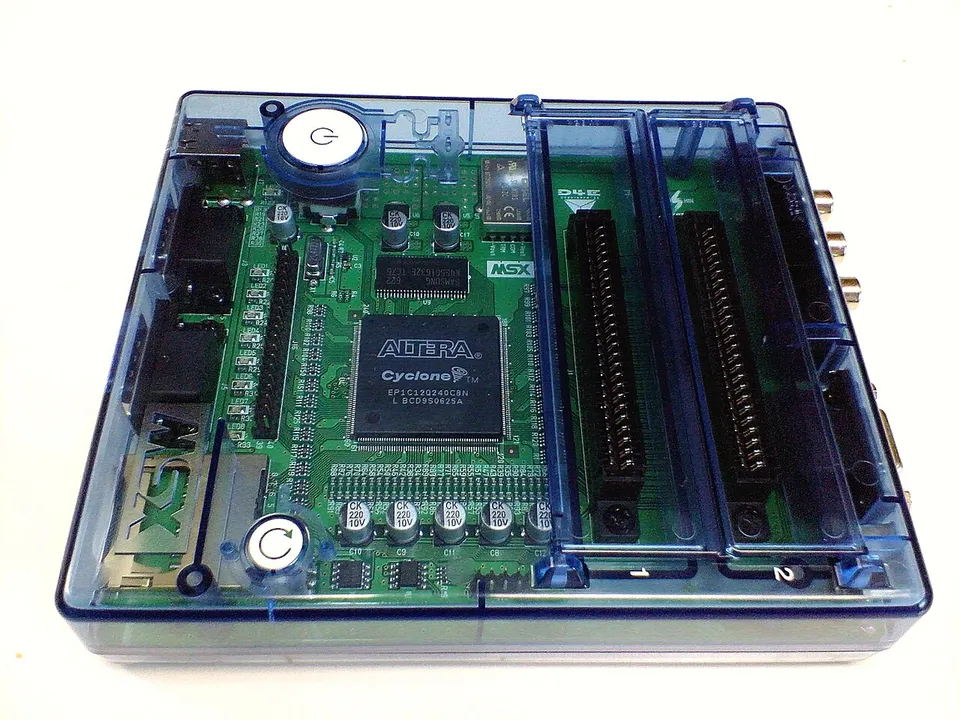
An FPGA re-implementation of an MSX2 with MSX-MUSIC and SCC+ sound, designed by ESE Artists' Factory and sold in Japan by D4 Enterprise. It has two cartridge slots and an SD card slot for disk images, but no floppy drive.
The Intel Cyclone V SoC development board that the MiSTer project is built on. Most MiSTer cores also need an add-on SDRAM board, and analog video needs an I/O board.
A low-cost MiST-compatible FPGA board designed by Manuel Fernández Higueras, with a Cyclone IV FPGA, USB ports for controllers and VGA output. MiST cores are resynthesised for it.
A low-cost FPGA board from Retro Remake that is compatible with the DE10-Nano used by the MiSTer project. It is sold in production batches, bundled with SDRAM and, in larger packs, an analog I/O board and USB hub.
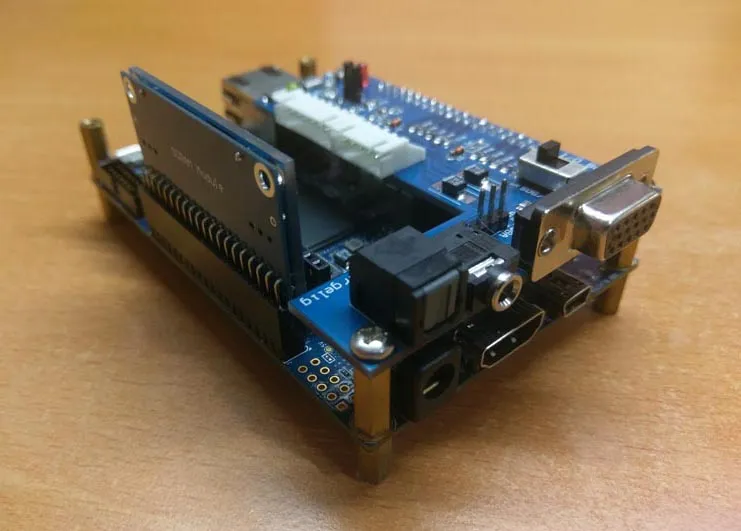
The successor to the SiDi, a MiST-family FPGA board with a larger Cyclone 10 LP FPGA and two SDRAM chips, adding HDMI, optical audio and joystick ports.
A ready-built console from Heber that runs the open-source MiSTer FPGA project, with 128 MB SDRAM on board so it plays all standard MiSTer cores. The Analogue model adds RGB and VGA outputs and a cartridge expansion slot.
A MiSTer-compatible FPGA console from Retro Remake styled after the PSone, with ports for original PlayStation controllers and memory cards. It runs the MiSTer cores for other consoles and computers too.
MSX corefor MiSTer · The MiSTer port of KdL's OCM-PLD core, an MSX2+ compatible machine with PSG, MSX-MUSIC and SCC sound, turbo modes and VHD hard disk images. It boots the OCM BIOS from a FAT16 SD card or VHD image prepared with the included sdcreate tool.
MSX1 corefor MiSTer · A MiSTer core modelled on the Philips VG8020 MSX1, with automatic cartridge mapper detection, an emulated VY0010 floppy drive and cassette loading. It runs without SDRAM, with larger cartridge sizes when SDRAM is fitted.