
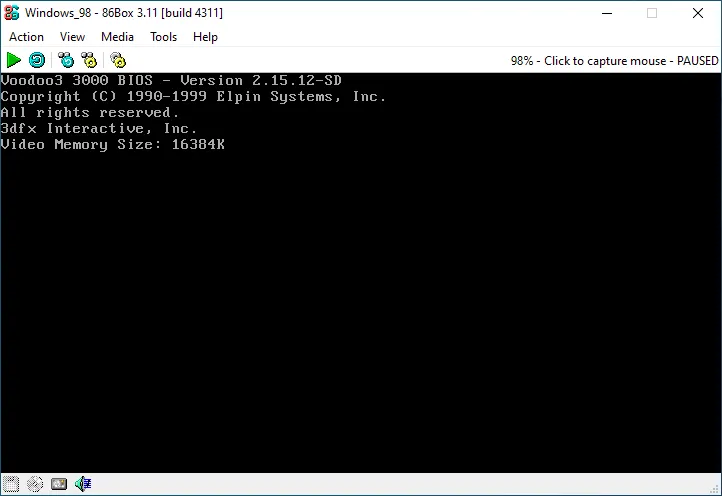
86Box
Active- DOS
- Open source
A low-level emulator of real IBM PC-compatible motherboards, from the 8088 to the Pentium II era. It runs DOS, Windows 3.x/9x and OS/2 on period-correct hardware.
- Accuracy
- High
- License
- Open source
Systems /
Also known as MS-DOS, PC compatible
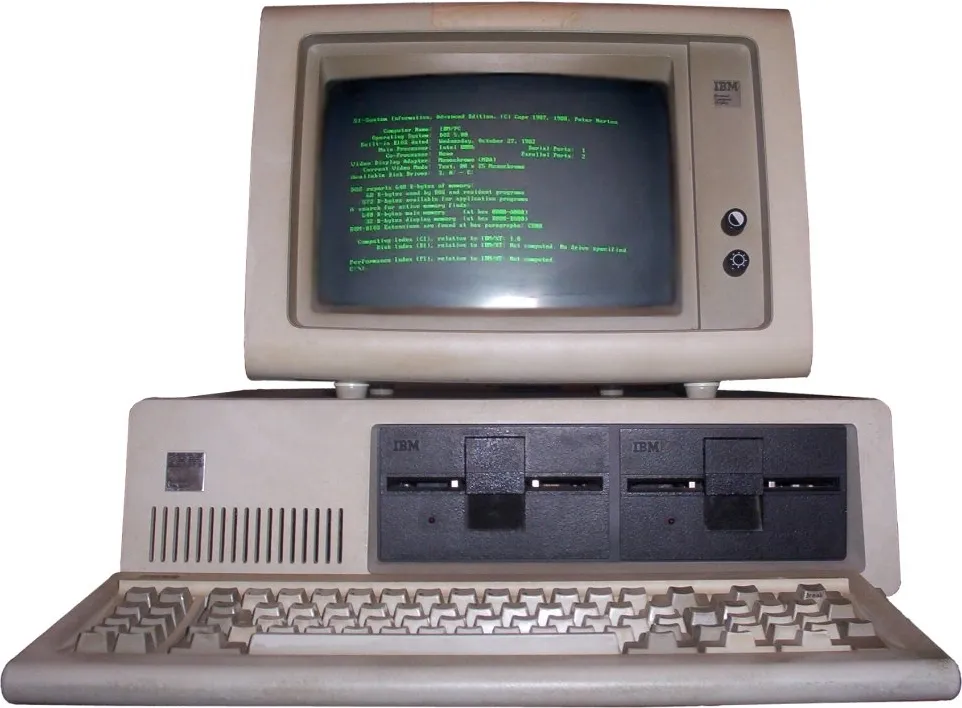
The IBM PC and its clones running MS-DOS and compatibles: home to CGA through SVGA graphics, AdLib and Sound Blaster music, and the shareware era of PC gaming.
10 emulators
A low-level emulator of real IBM PC-compatible motherboards, from the 8088 to the Pentium II era. It runs DOS, Windows 3.x/9x and OS/2 on period-correct hardware.
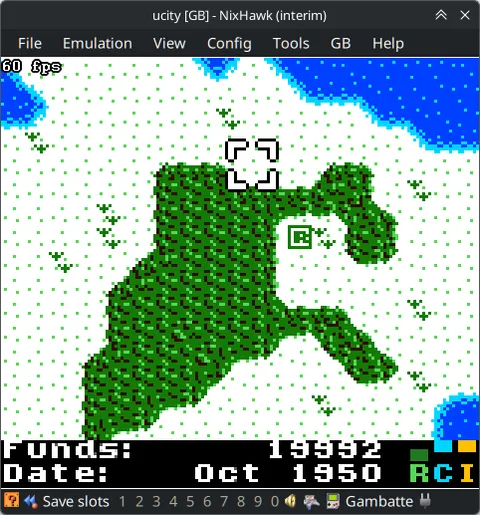
A multi-system emulator built for tool-assisted speedruns, with frame-perfect input recording, memory tools and Lua scripting across dozens of cores.
A multi-machine emulator that aims to be invisible: open a disk or tape image and it picks the machine. The CPC, Spectrum and Atari ST are mature; Amiga and early PC support is less complete.
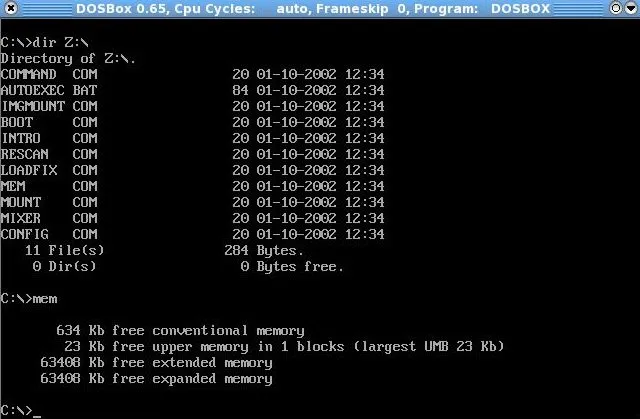
The original DOS emulator that made running old PC games on modern systems easy. It emulates a DOS-era PC with Sound Blaster, AdLib and Gravis Ultrasound, and spawned many forks.
A modernised DOSBox fork focused on gaming, with adaptive CRT shaders, MT-32 and FluidSynth MIDI, sensible defaults and regular releases.
A DOSBox fork that aims for completeness over gaming focus. It also emulates PC-98, runs Windows 3.x and 9x, and adds save states, IDE emulation and a debugger.
DOSBox and DOSBox-X compiled to WebAssembly, packaged as a JavaScript player for embedding DOS and Windows 9x programs in web pages, with on-screen controls, IPX multiplayer and disk streaming.
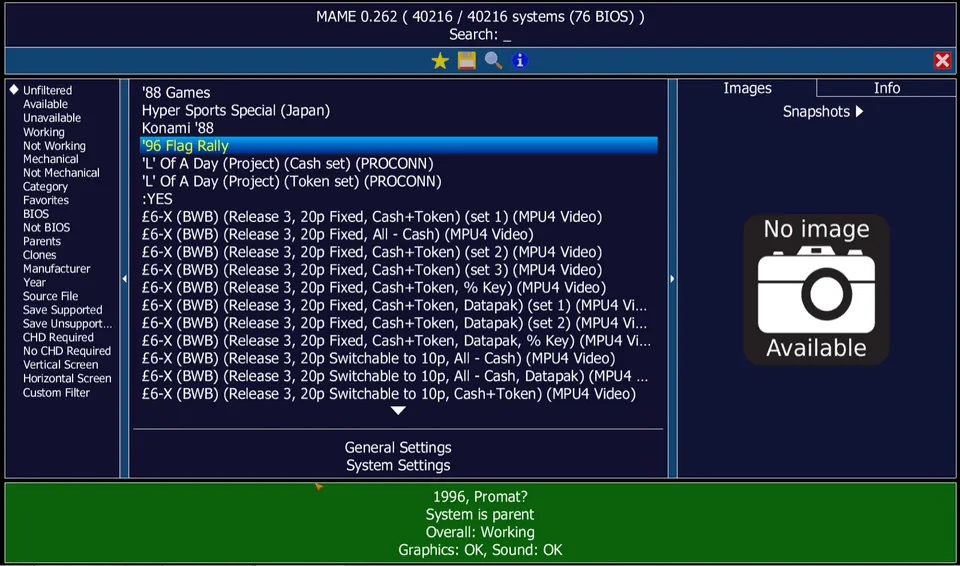
The Multiple Arcade Machine Emulator, a long-running project to document and preserve arcade hardware that covers thousands of boards and, since absorbing MESS, many computers and consoles as well.
A cycle-accurate emulator of the IBM PC 5150, XT 5160 and PCjr and the Tandy 1000, written in Rust and accurate enough to run 8088 MPH and Area 5150. It includes extensive debugging tools and a browser version.
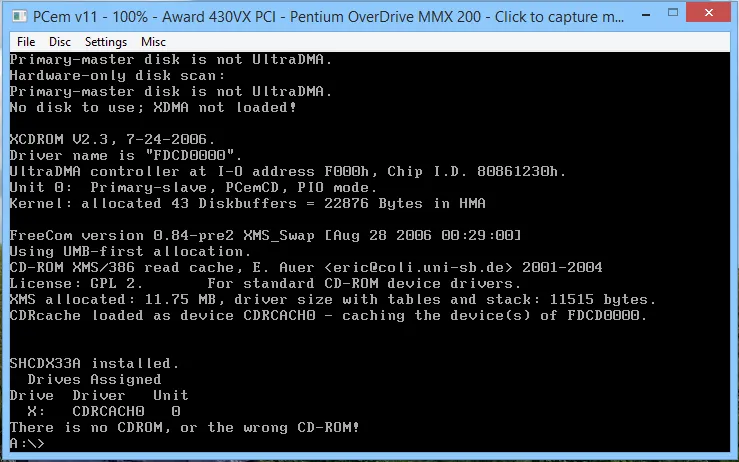
A low-level emulator of specific PC motherboards and graphics cards from the IBM PC to the Pentium era. It is the project 86Box was forked from.
Nothing matches those filters. Know one we're missing? Add it.
Mini consoles and FPGA hardware that play DOS software. About hardware
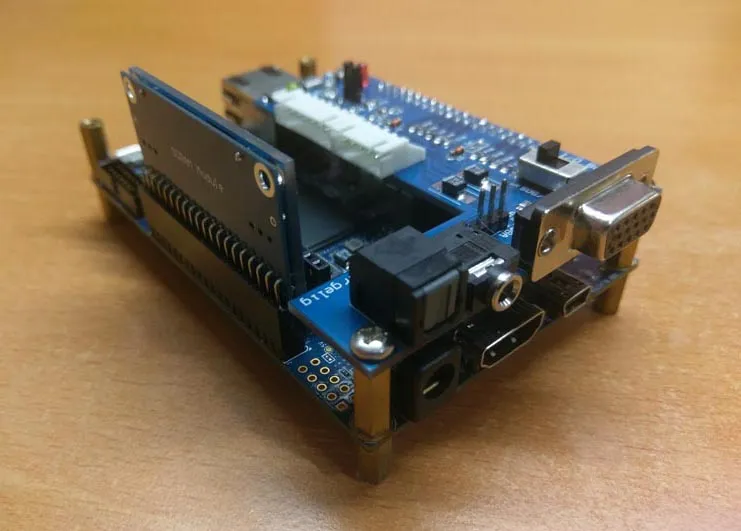
Photo: sorgelig, MiSTer project (DE10-Nano with the MiSTer SDRAM and I/O boards) · GPL-3.0 (project repository) · source
The Intel Cyclone V SoC development board that the MiSTer project is built on. Most MiSTer cores also need an add-on SDRAM board, and analog video needs an I/O board.
A low-cost MiST-compatible FPGA board designed by Manuel Fernández Higueras, with a Cyclone IV FPGA, USB ports for controllers and VGA output. MiST cores are resynthesised for it.
A low-cost FPGA board from Retro Remake that is compatible with the DE10-Nano used by the MiSTer project. It is sold in production batches, bundled with SDRAM and, in larger packs, an analog I/O board and USB hub.
The successor to the SiDi, a MiST-family FPGA board with a larger Cyclone 10 LP FPGA and two SDRAM chips, adding HDMI, optical audio and joystick ports.
A ready-built console from Heber that runs the open-source MiSTer FPGA project, with 128 MB SDRAM on board so it plays all standard MiSTer cores. The Analogue model adds RGB and VGA outputs and a cartridge expansion slot.
A MiSTer-compatible FPGA console from Retro Remake styled after the PSone, with ports for original PlayStation controllers and memory cards. It runs the MiSTer cores for other consoles and computers too.
Hardware re-creations for FPGA boards such as MiSTer. What's an FPGA core?
| Format | What it is |
|---|---|
.img | Floppy or hard disk image |
.ima | Floppy disk image |
.iso | CD-ROM image |
.cue | CD image with audio tracks |
.vhd | Virtual hard disk |
