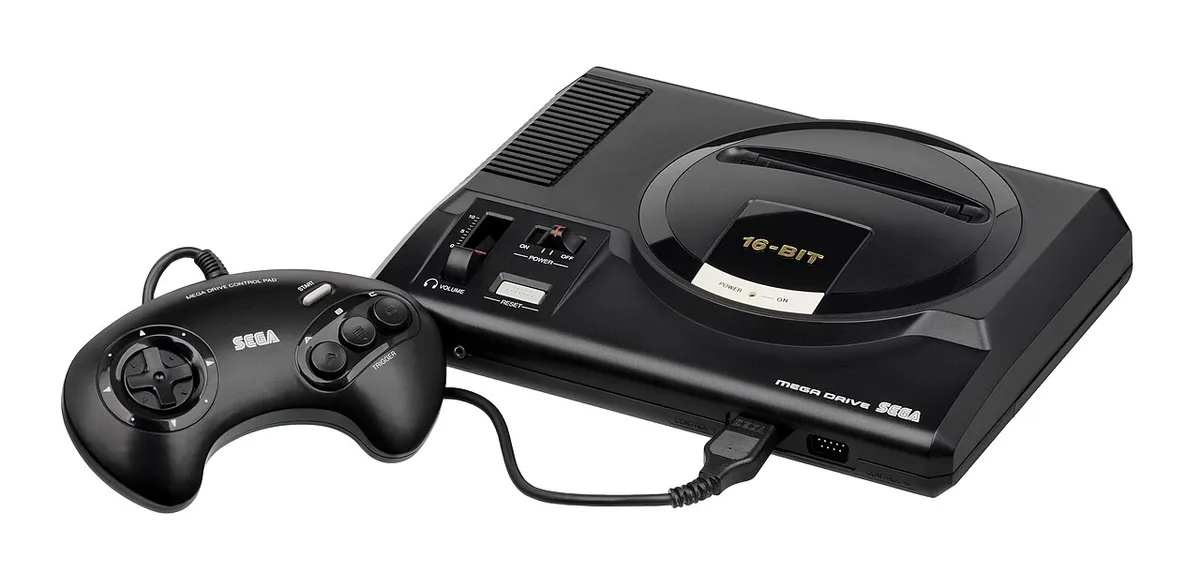
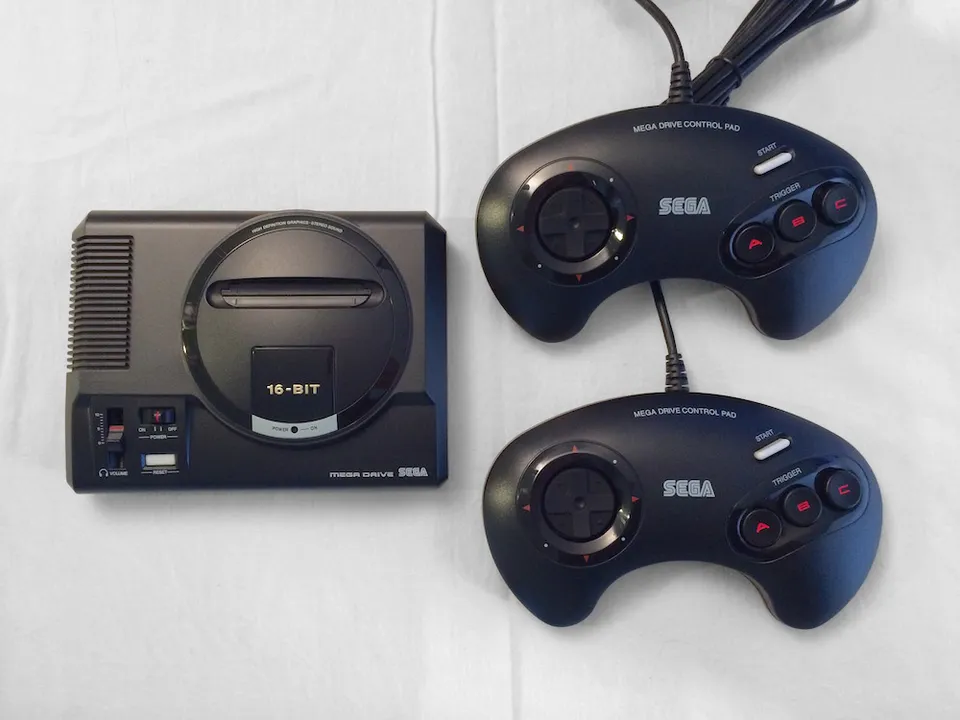
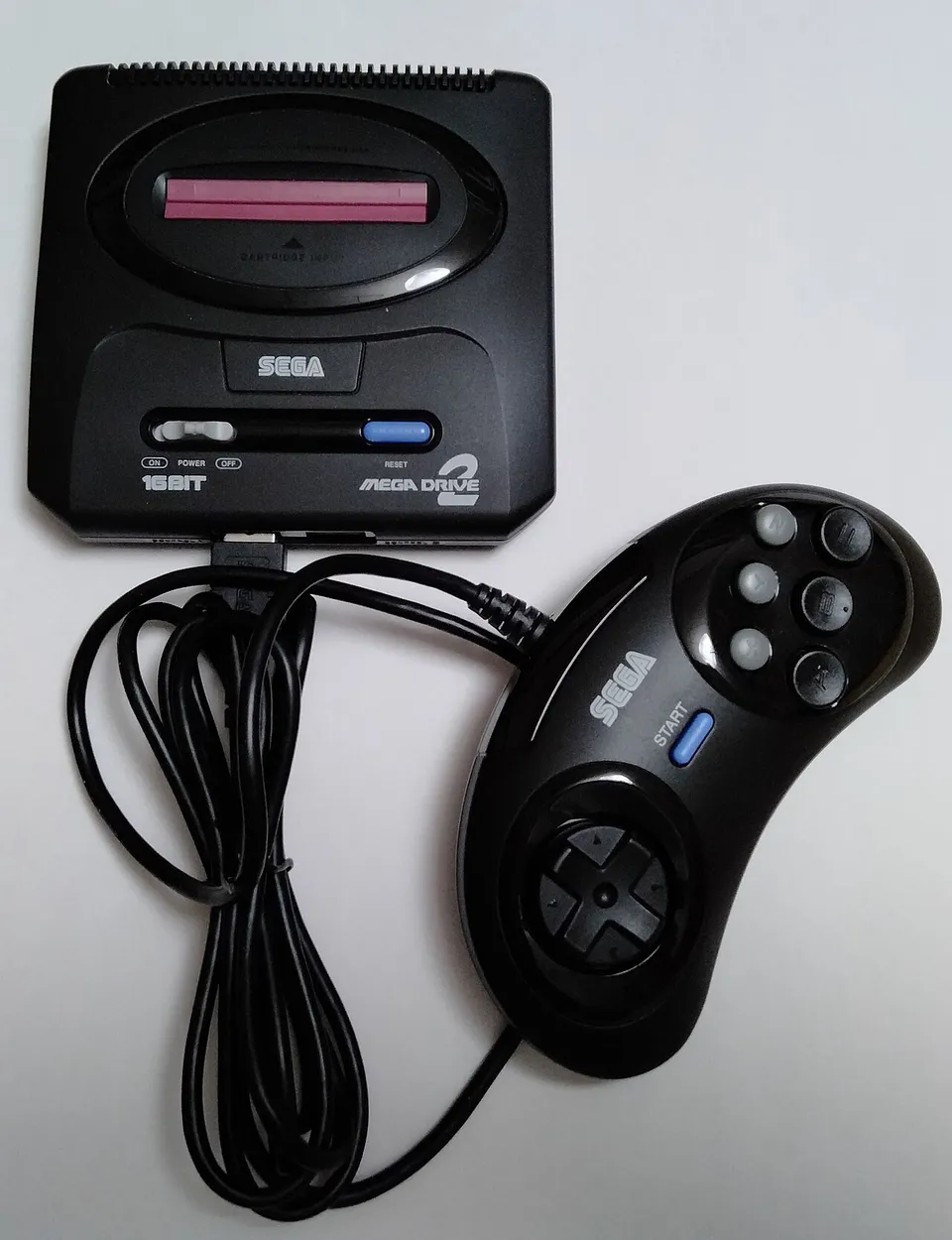
Sega's 16-bit console, sold as the Genesis in North America. It introduced Sonic the Hedgehog, took on Nintendo in the console wars and still has an active homebrew and demo scene.
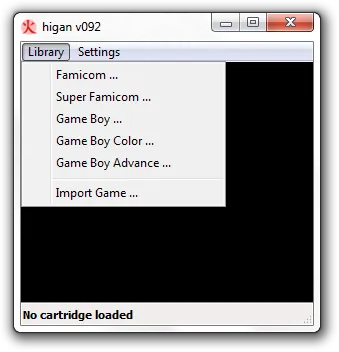
A multi-system emulator focused on accuracy and preservation, continuing the work of higan. It covers Nintendo, Sega, NEC, SNK and other consoles with a simpler interface.
A highly accurate Mega Drive/Genesis emulator that also covers the Sega CD, 32X, Master System and Game Gear. It was the first emulator to run the Titan Overdrive 2 demo properly and has an integrated debugger with GDB remote support.
A Mega Drive/Genesis and Mega CD emulator by Clownacy with a standalone frontend built on SDL3 and Dear ImGui, including debugging views. A web build runs in the browser.
A Windows emulation platform with a modular, heavily synchronised design aimed at cycle-accurate Mega Drive emulation. It is known for its extensive CPU, graphics and audio debugging tools.
An arcade emulator continuing FinalBurn and FinalBurn Alpha, covering boards such as Capcom CPS-1/2/3, Neo Geo and many Sega, Konami and Toaplan systems, plus a set of consoles and home computers. It is the main emulator behind Fightcade's online play.
An accuracy-focused Sega 8/16-bit emulator covering the Mega Drive, Mega-CD, Master System, Game Gear and SG-1000. It began as a GameCube/Wii port and is now mostly used as a libretro core and inside other frontends.
Near's accuracy-first multi-system emulator, which grew out of bsnes. It now only gets occasional maintenance commits; development of its cores continues in ares.
A closed-source Sega emulator by Steve Snake covering the SG-1000, Master System, Game Gear, Mega Drive, Mega-CD and 32X. Long a popular choice for Sega games, it has not been updated since version 3.64.
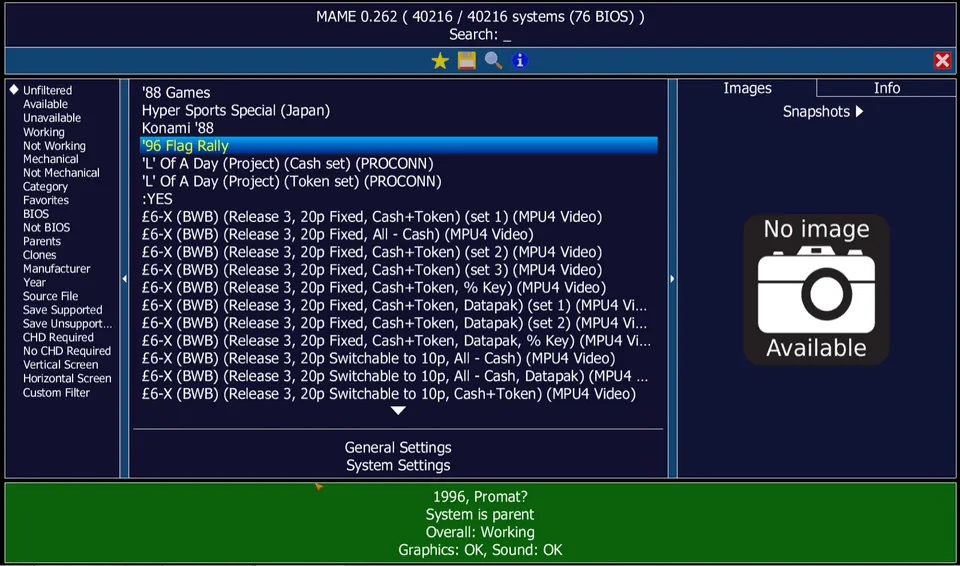
The Multiple Arcade Machine Emulator, a long-running project to document and preserve arcade hardware that covers thousands of boards and, since absorbing MESS, many computers and consoles as well.
A command-line multi-system emulator whose PlayStation, Saturn and PC Engine modules aim for high accuracy. It also covers Nintendo and Sega consoles and handhelds, the Atari Lynx, Virtual Boy and Apple II.
A fast Sega emulator originally written for ARM handhelds, covering the Mega Drive, Mega-CD, 32X, Pico and Sega's 8-bit systems. It was the first to properly emulate Virtua Racing's SVP chip, and has official builds for many handhelds and consoles.
License
Source available
Nothing matches those filters. Know one we're missing? Add it.
Mega Drive hardware
Mini consoles and FPGA hardware that play Mega Drive software. About hardware
An FPGA board designed by Till Harbaum to re-create the Amiga and Atari ST, later joined by many 8-bit computer, console and arcade cores. It loads software from an SD card and has analog video output.
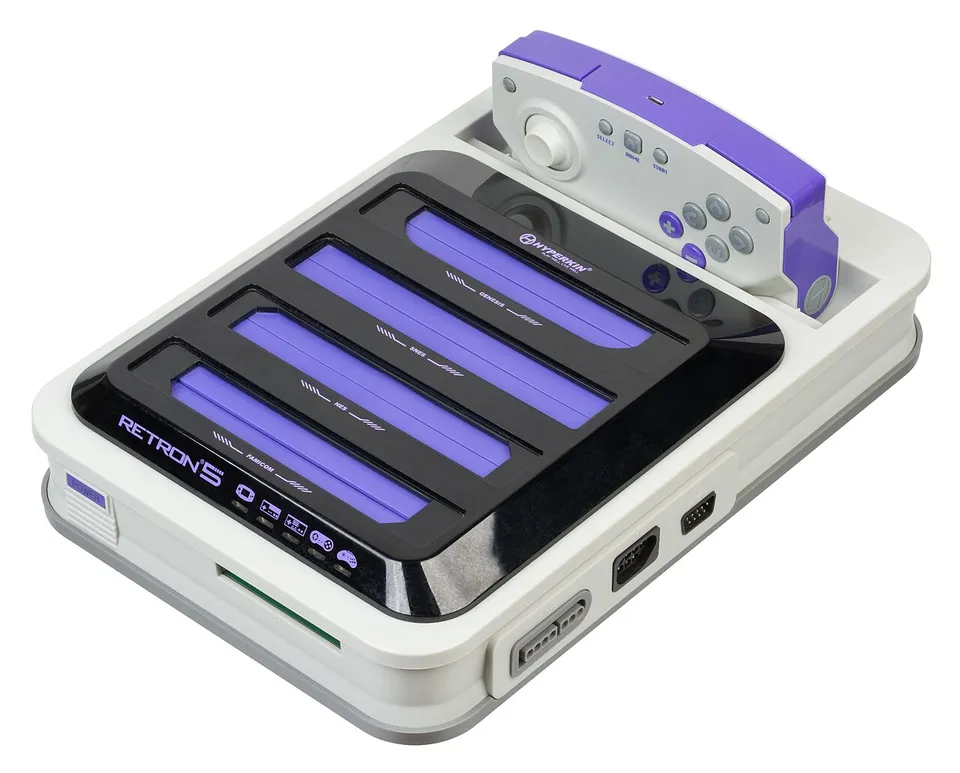
A cartridge console from Hyperkin with slots for NES, Famicom, SNES, Super Famicom, Mega Drive and Game Boy cartridges, which it plays in software emulation over 720p HDMI, with save states and cheats.
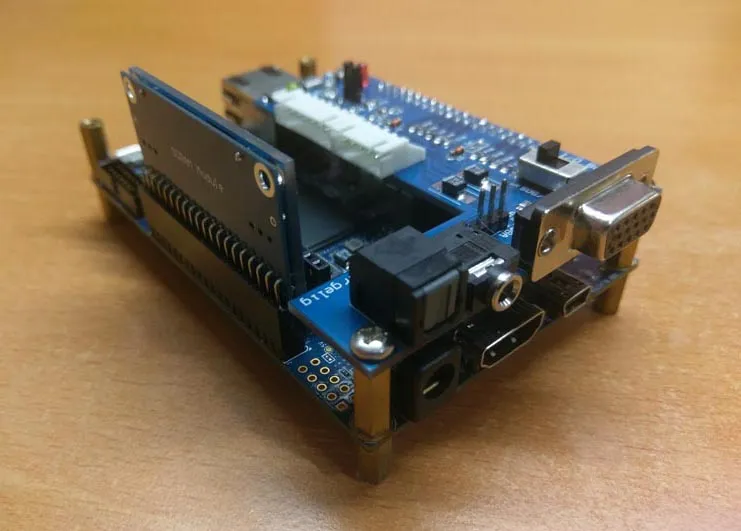
The Intel Cyclone V SoC development board that the MiSTer project is built on. Most MiSTer cores also need an add-on SDRAM board, and analog video needs an I/O board.
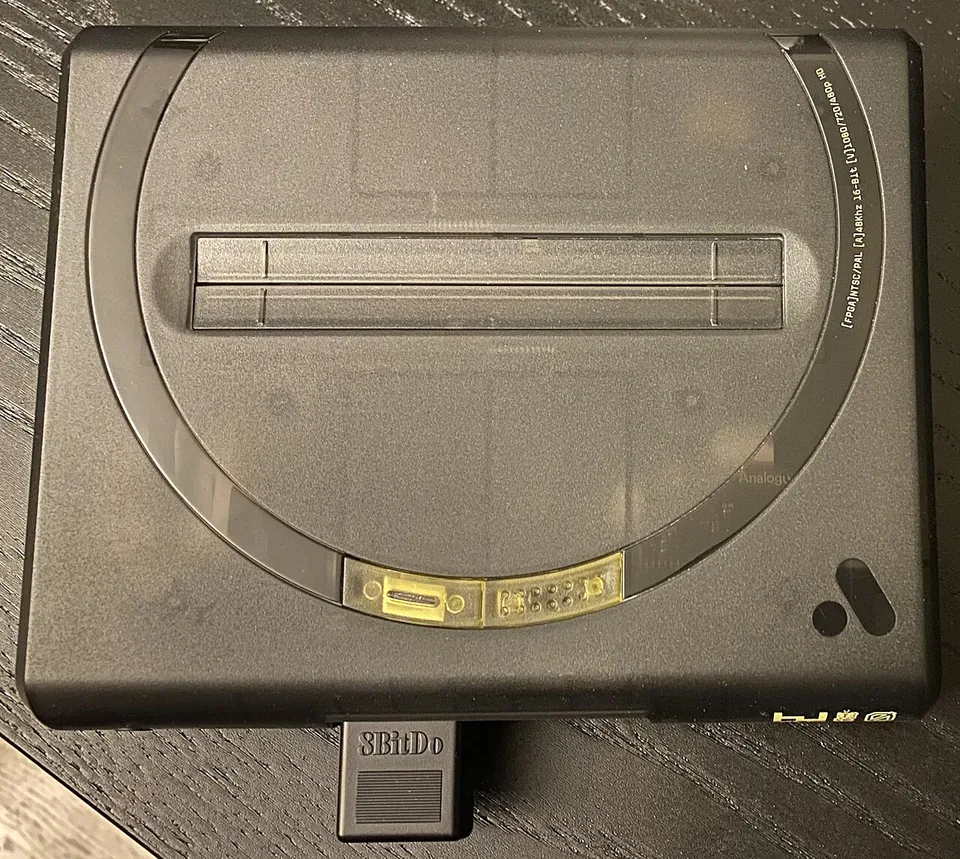
An FPGA console for Mega Drive and Genesis cartridges with HDMI output. A bundled adapter plays Master System cartridges. Analogue announced the Mega Sg+ as its successor in 2026.
A low-cost MiST-compatible FPGA board designed by Manuel Fernández Higueras, with a Cyclone IV FPGA, USB ports for controllers and VGA output. MiST cores are resynthesised for it.
A modular console that installs games from original discs and cartridges and runs them in software emulation. The base unit reads CD-based games; Element Modules, sold separately, add NES, SNES, Mega Drive, N64 and other cartridge slots.
A low-cost FPGA board from Retro Remake that is compatible with the DE10-Nano used by the MiSTer project. It is sold in production batches, bundled with SDRAM and, in larger packs, an analog I/O board and USB hub.
The successor to the SiDi, a MiST-family FPGA board with a larger Cyclone 10 LP FPGA and two SDRAM chips, adding HDMI, optical audio and joystick ports.
A ready-built console from Heber that runs the open-source MiSTer FPGA project, with 128 MB SDRAM on board so it plays all standard MiSTer cores. The Analogue model adds RGB and VGA outputs and a cartridge expansion slot.
A MiSTer-compatible FPGA console from Retro Remake styled after the PSone, with ports for original PlayStation controllers and memory cards. It runs the MiSTer cores for other consoles and computers too.
Analogue's successor to the Mega Sg: an FPGA console for Mega Drive and Genesis cartridges with HDMI output and Bluetooth. A Master System cartridge adapter is included, and Mega-CD games need an original Mega-CD unit.
Mega Drive corefor MiSTer · The MiSTer core for the Sega Mega Drive and Genesis.
openFPGA Genesisfor Analogue Pocket · A Mega Drive/Genesis core for the Analogue Pocket, ported from the MiSTer version of the fpgagen core. Its author describes it as incomplete, without PAL support.