
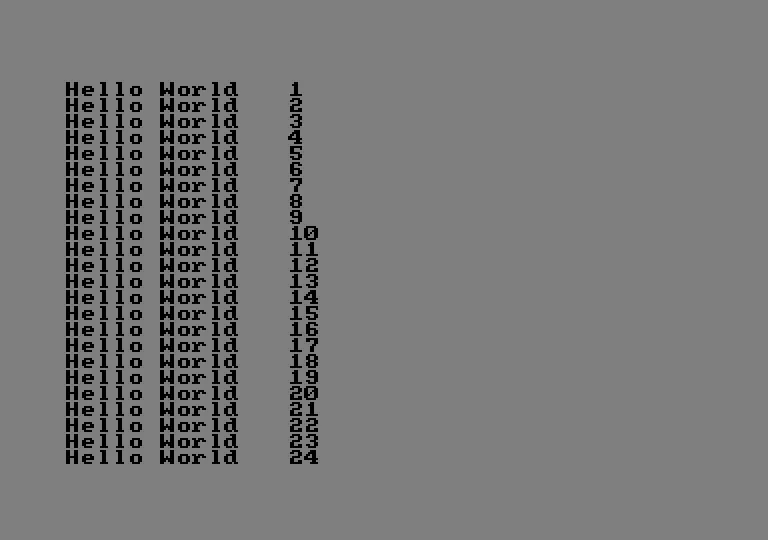
Caprice32
Active- CPC
- Open source
A cross-platform Amstrad CPC emulator, originally from 1997 and now maintained on GitHub, with mostly complete CPC Plus support, a debugger and a built-in memory tool.
- Accuracy
- High
- License
- Open source
Systems /
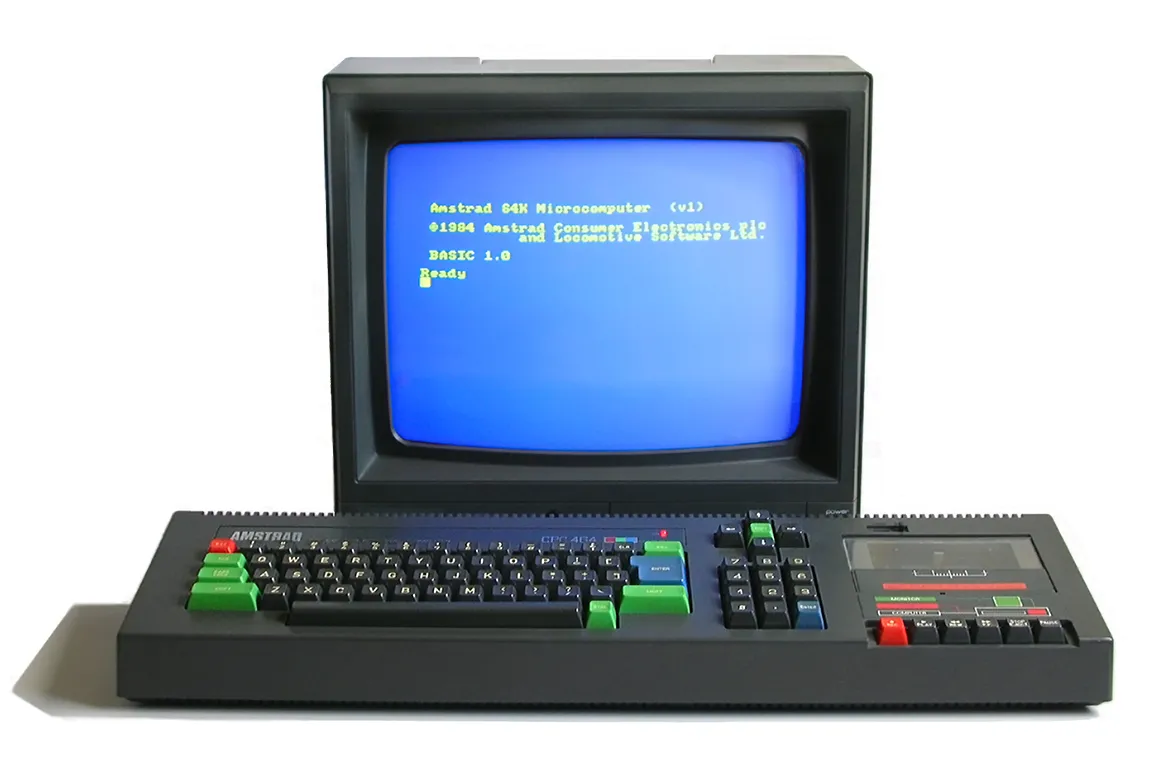
Amstrad's all-in-one home computer sold with its own monitor and a built-in tape or disk drive. Popular in the UK, France and Spain, with a demoscene that is still active.
6 emulators
A cross-platform Amstrad CPC emulator, originally from 1997 and now maintained on GitHub, with mostly complete CPC Plus support, a debugger and a built-in memory tool.
A multi-machine emulator that aims to be invisible: open a disk or tape image and it picks the machine. The CPC, Spectrum and Atari ST are mature; Amiga and early PC support is less complete.
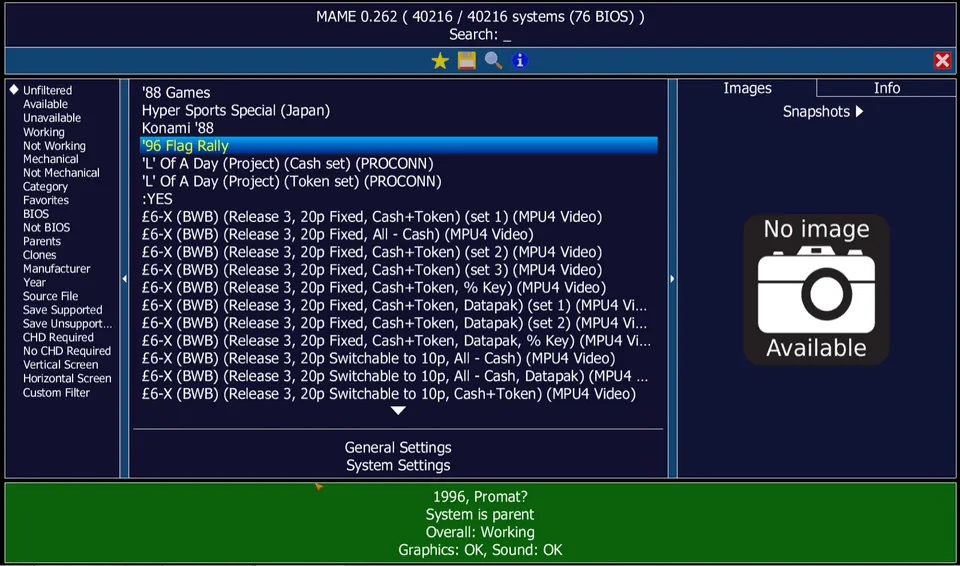
The Multiple Arcade Machine Emulator, a long-running project to document and preserve arcade hardware that covers thousands of boards and, since absorbing MESS, many computers and consoles as well.
A polished emulator for the ZX Spectrum, Amstrad CPC (including the Plus range and GX4000), MSX-1, ColecoVision, SG-1000 and Master System, with a modern interface and display effects. Version 2.0, still offered for developers, has an integrated debugger.
A Windows emulator for the CPC and CPC Plus range, best known among CPC developers for its built-in assembler and debugger.
A ZX machines emulator covering the ZX80/81, every Spectrum model, the QL, Z88, Spectrum Next and many clones, plus the Amstrad CPC, MSX and Sega Master System, with a very extensive debugger.
Nothing matches those filters. Know one we're missing? Add it.
Mini consoles and FPGA hardware that play CPC software. About hardware
An FPGA board designed by Till Harbaum to re-create the Amiga and Atari ST, later joined by many 8-bit computer, console and arcade cores. It loads software from an SD card and has analog video output.
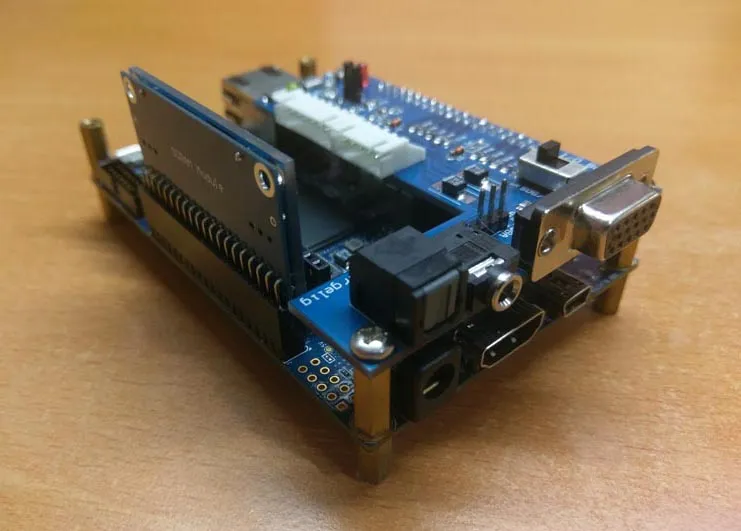
Photo: sorgelig, MiSTer project (DE10-Nano with the MiSTer SDRAM and I/O boards) · GPL-3.0 (project repository) · source
The Intel Cyclone V SoC development board that the MiSTer project is built on. Most MiSTer cores also need an add-on SDRAM board, and analog video needs an I/O board.
A low-cost MiST-compatible FPGA board designed by Manuel Fernández Higueras, with a Cyclone IV FPGA, USB ports for controllers and VGA output. MiST cores are resynthesised for it.
A low-cost FPGA board from Retro Remake that is compatible with the DE10-Nano used by the MiSTer project. It is sold in production batches, bundled with SDRAM and, in larger packs, an analog I/O board and USB hub.
The successor to the SiDi, a MiST-family FPGA board with a larger Cyclone 10 LP FPGA and two SDRAM chips, adding HDMI, optical audio and joystick ports.
A ready-built console from Heber that runs the open-source MiSTer FPGA project, with 128 MB SDRAM on board so it plays all standard MiSTer cores. The Analogue model adds RGB and VGA outputs and a cartridge expansion slot.
A MiSTer-compatible FPGA console from Retro Remake styled after the PSone, with ports for original PlayStation controllers and memory cards. It runs the MiSTer cores for other consoles and computers too.
Hardware re-creations for FPGA boards such as MiSTer. What's an FPGA core?
| Format | What it is |
|---|---|
.dsk | Disk image |
.cdt | Tape image |
.sna | Snapshot |
.cpr | Plus cartridge image |
