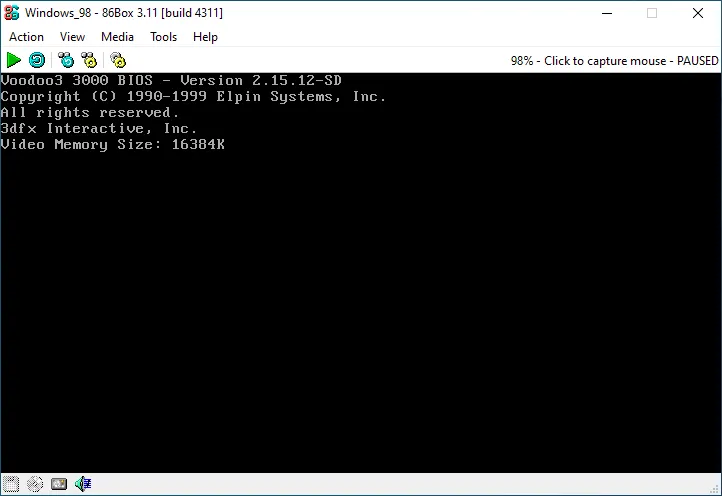
86Box
Active- DOS
- Open source
A low-level emulator of real IBM PC-compatible motherboards, from the 8088 to the Pentium II era. It runs DOS, Windows 3.x/9x and OS/2 on period-correct hardware.
- Accuracy
- High
- License
- Open source
92 emulators
A low-level emulator of real IBM PC-compatible motherboards, from the 8088 to the Pentium II era. It runs DOS, Windows 3.x/9x and OS/2 on period-correct hardware.
An Amiga emulator built on the WinUAE core and tuned for ARM boards such as the Raspberry Pi, with builds for Linux, macOS, Windows, FreeBSD and Haiku.
Cloanto's packaged Amiga distribution built on WinUAE, with officially licensed Kickstart ROMs and Workbench, preconfigured models and bundled games.
Atari Running on Any Machine: a virtual machine for running TOS-compatible operating systems and GEM software at modern speeds, modelled on the Falcon rather than cycle-exact ST hardware.
A portable open-source Archimedes emulator with builds for Windows, macOS, AmigaOS 4 and RISC OS, plus source for Unix/X11, and HostFS for sharing a host folder as a RISC OS drive. The last release was in 2017.
Arculator compiled to WebAssembly with a browser front end. It offers preset machines from an Arthur-era A310 to the A5000 and A3020, a disc picker, a BASIC V editor and links that boot software directly.
An Acorn Archimedes emulator covering the original ARM2 machines through the ARM3 and ARM250 models, including the A4 laptop. It emulates podules, IDE and SCSI hard discs and Ethernet cards, and has a built-in debugger.
A multi-system emulator focused on accuracy and preservation, continuing the work of higan. It covers Nintendo, Sega, NEC, SNK and other consoles with a simpler interface.
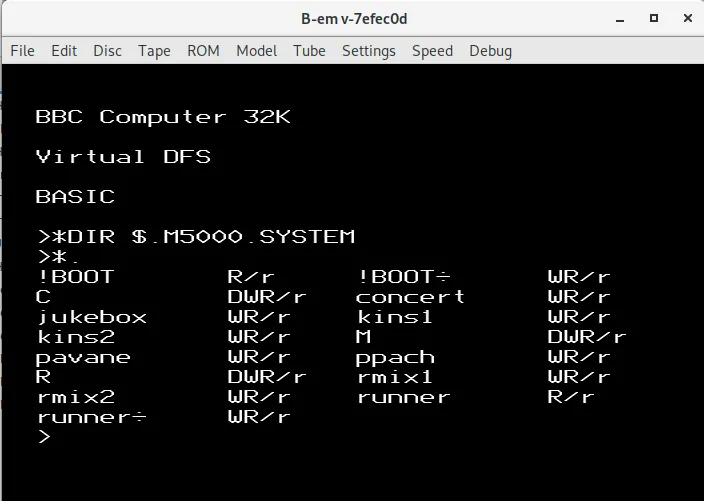
A BBC Micro emulator originally written by Sarah Walker and now maintained by the Stardot community. It covers several BBC models along with a range of second processors.
Tom Seddon's emulator of the BBC Micro, BBC Master 128, Master Compact and Olivetti PC 128 S, with a separate debug build that adds a debugger for software development.
A BBC Micro and Master 128 emulator first written for Unix in 1994 by Dave Gilbert and later ported to Windows, where Chris Needham now maintains it. It runs most BBC software, including Elite and Exile.
The libretro port of Mednafen's PlayStation module. It adds OpenGL and Vulkan renderers with upscaling, PGXP, texture replacement, CHD and PBP support, and boots without a BIOS file using OpenBIOS.
A freeware Game Boy, Game Boy Color and Super Game Boy emulator for Windows, valued by homebrew developers for its precise emulation and debugger with reverse stepping, VRAM viewer and TCP/IP link cable.
A free, closed-source Atari Jaguar emulator by Rich Whitehouse. It adds native rewind, saved states and input movies, network play for JagLink games and a scripting system for debugging and mods.
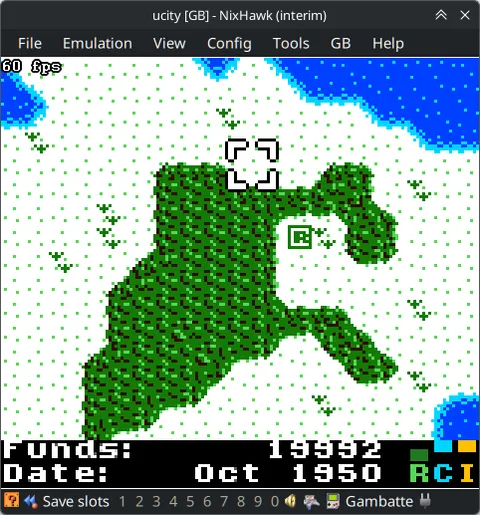
A multi-system emulator built for tool-assisted speedruns, with frame-perfect input recording, memory tools and Lua scripting across dozens of cores.
A highly accurate Mega Drive/Genesis emulator that also covers the Sega CD, 32X, Master System and Game Gear. It was the first emulator to run the Titan Overdrive 2 demo properly and has an integrated debugger with GDB remote support.
A Windows MSX emulator that also covers the Spectravideo SVI, ColecoVision and Sega SG-1000. Development of the desktop version stopped years ago; the official site now hosts blueMSX Live, a browser port of its core.
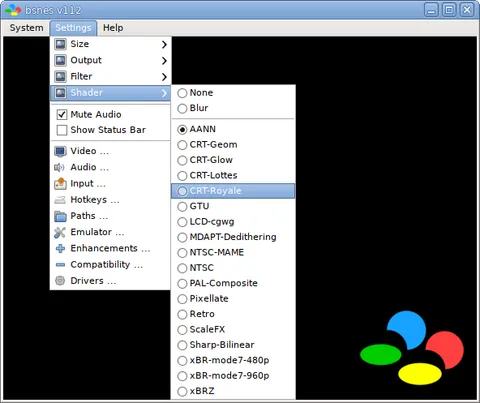
A SNES emulator originally by Near, built on the cycle-accurate cores that set the bar for SNES accuracy and now maintained by the community. Adds run-ahead, rewind, HD Mode 7 and Super Game Boy emulation via SameBoy.
Cloanto's Windows distribution built on VICE, with an integrated player, title editor and single-file RP9 packaging, legal ROMs for the C64 and other Commodore 8-bit machines, and over 200 preinstalled games and demos.
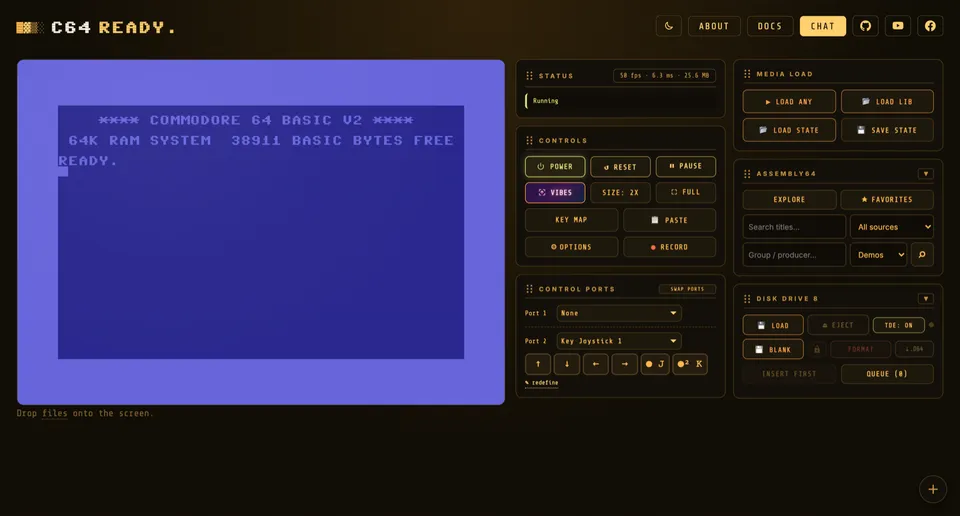
A browser-based PAL C64 emulator written in JavaScript, with reSID compiled to WebAssembly and a true 1541. Adds a Live Monitor that explains what the hardware is doing, tape recovery from .wav recordings and a 3D/VR "Retro Vibes" view.
A VICE-based Commodore emulator for Android, part of the EmuEx family, with modules for the C64, C128, VIC-20, Plus/4 and PET, configurable on-screen controls and Bluetooth/USB gamepad support.
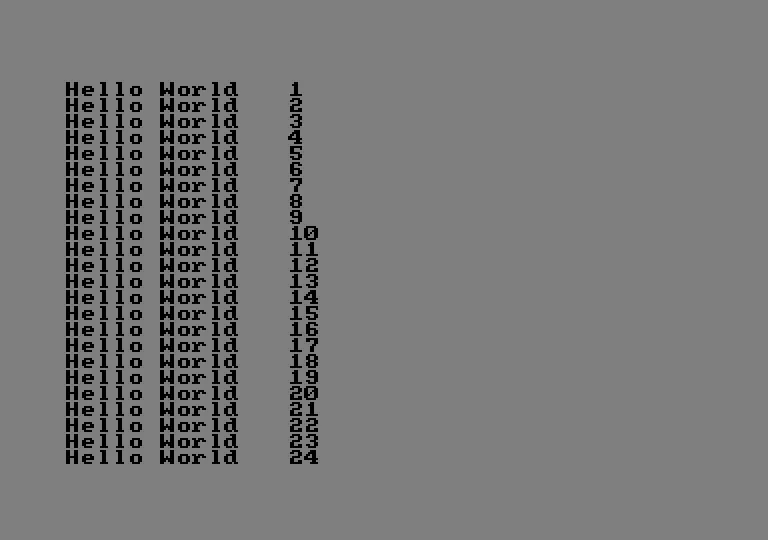
A cross-platform Amstrad CPC emulator, originally from 1997 and now maintained on GitHub, with mostly complete CPC Plus support, a debugger and a built-in memory tool.
One of the longest-running C64 emulators for Windows. It began as a university thesis in 1995 and is still updated.
A multi-machine emulator that aims to be invisible: open a disk or tape image and it picks the machine. The CPC, Spectrum and Atari ST are mature; Amiga and early PC support is less complete.
A Mega Drive/Genesis and Mega CD emulator by Clownacy with a standalone frontend built on SDL3 and Dear ImGui, including debugging views. A web build runs in the browser.
A cycle-accurate C64 and Amiga emulator with run-ahead for low input latency, rewind and integrated slang CRT shaders.
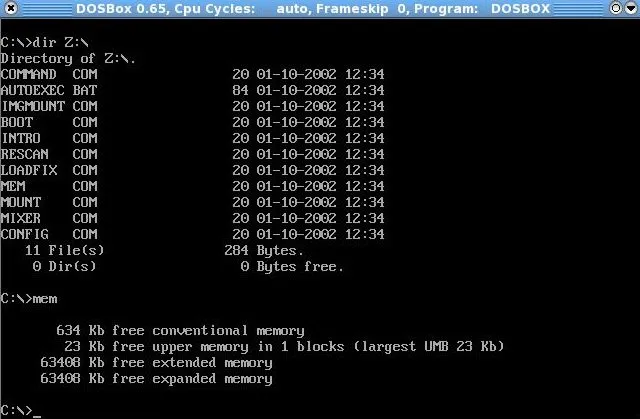
The original DOS emulator that made running old PC games on modern systems easy. It emulates a DOS-era PC with Sound Blaster, AdLib and Gravis Ultrasound, and spawned many forks.
A modernised DOSBox fork focused on gaming, with adaptive CRT shaders, MT-32 and FluidSynth MIDI, sensible defaults and regular releases.
A DOSBox fork that aims for completeness over gaming focus. It also emulates PC-98, runs Windows 3.x and 9x, and adds save states, IDE emulation and a debugger.
A PlayStation emulator focused on playability, speed and long-term maintainability, with upscaling, PGXP geometry correction and a fullscreen TV interface. Since 2024 its source is published under a non-commercial, no-derivatives licence.
A free Java-based emulator for the Game Boy, Game Boy Color, Master System, Game Gear and MSX, popular with homebrew developers for its debugger with reverse stepping, profiler and VS Code integration.
Takeda Toshiya's Windows emulator for the Sharp MZ-700, part of his Common Source Code Project, with sibling builds for the MZ-800 and MZ-1500 and support for many Sharp and third-party expansions.
A long-running closed-source PlayStation emulator for Windows, with older Linux and macOS builds and a paid Android version on Google Play.
A Windows emulation platform with a modular, heavily synchronised design aimed at cycle-accurate Mega Drive emulation. It is known for its extensive CPU, graphics and audio debugging tools.
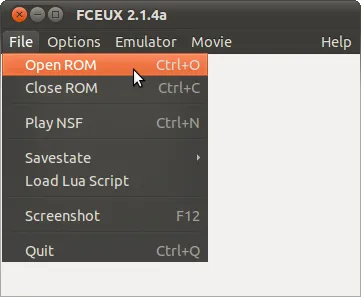
A long-running NES/Famicom emulator popular with ROM hackers and speedrunners for its debugger, PPU viewer, Lua scripting and movie recording.
An arcade emulator continuing FinalBurn and FinalBurn Alpha, covering boards such as Capcom CPS-1/2/3, Neo Geo and many Sega, Konami and Toaplan systems, plus a set of consoles and home computers. It is the main emulator behind Fightcade's online play.
One of the oldest MSX emulators, developed by Marat Fayzullin since 1993. It emulates MSX, MSX2 and MSX2+ machines, and its source is available for non-commercial use.
A cross-platform Amiga emulator built on WinUAE's emulation core, with a gamepad-friendly fullscreen interface, a launcher and netplay.
The Free Unix Spectrum Emulator: an accurate emulator of the 16K to +3 and many clones and peripherals, packaged by most Linux and BSD distributions.
An accuracy-focused Sega 8/16-bit emulator covering the Mega Drive, Mega-CD, Master System, Game Gear and SG-1000. It began as a GameCube/Wii port and is now mostly used as a libretro core and inside other frontends.
A cross-platform N64 emulator written in Rust by the author of simple64, with netplay, upscaling, a CRT shader, CPU overclocking, cheats and RetroAchievements.
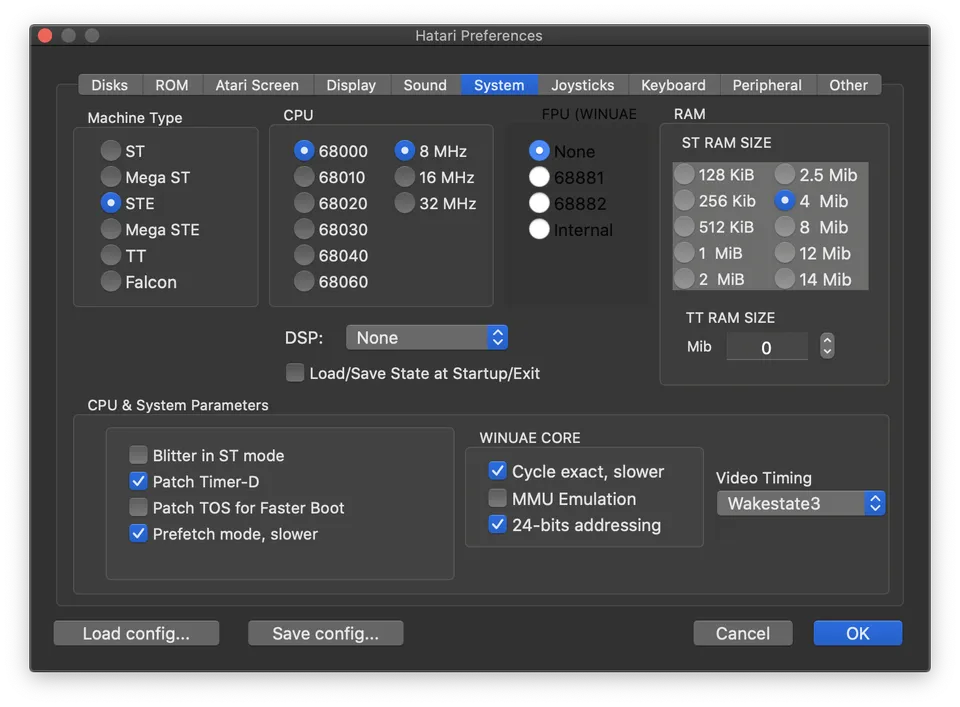
Emulates the Atari ST, STE, TT and Falcon, with an integrated debugger and profiler. Ships with EmuTOS, so you can start without an original TOS ROM.
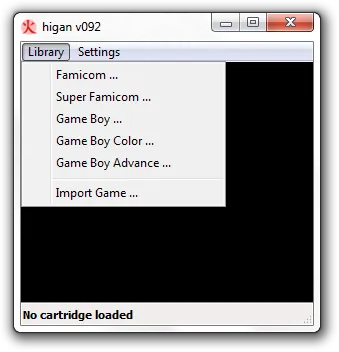
Near's accuracy-first multi-system emulator, which grew out of bsnes. It now only gets occasional maintenance commits; development of its cores continues in ares.
A cycle-exact Commodore 64 emulator for Windows with a strong focus on demo compatibility and a graphical debugger.
DOSBox and DOSBox-X compiled to WebAssembly, packaged as a JavaScript player for embedding DOS and Windows 9x programs in web pages, with on-screen controls, IPX multiplayer and disk streaming.
Matt Godbolt's JavaScript emulator of the BBC Micro Model B and Master 128, derived from B-em. It runs in the browser and as an Electron desktop app, with a debugger, save states and rewind.
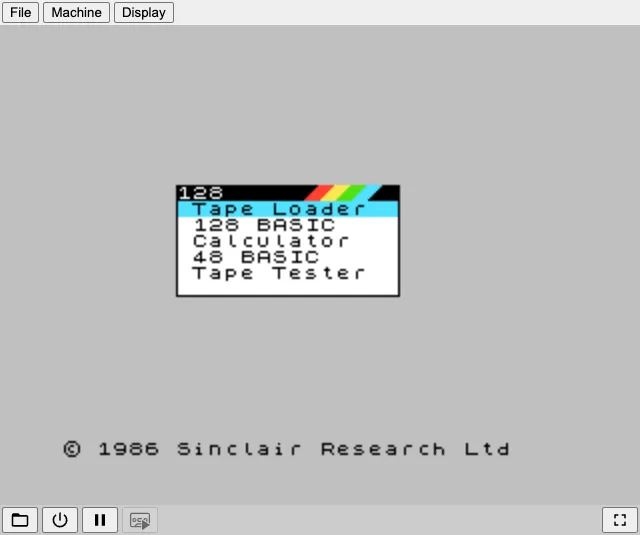
A ZX Spectrum emulator for the browser whose core runs as WebAssembly compiled from AssemblyScript, designed to be embedded in web pages, with 48K, 128K and Pentagon models.
A VIC-20 emulator written in Java with libGDX, aimed mainly at the browser and mobile devices. It installs as a PWA, has a built-in games menu and can load programs straight from a URL.
A closed-source Sega emulator by Steve Snake covering the SG-1000, Master System, Game Gear, Mega Drive, Mega-CD and 32X. Long a popular choice for Sega games, it has not been updated since version 3.64.
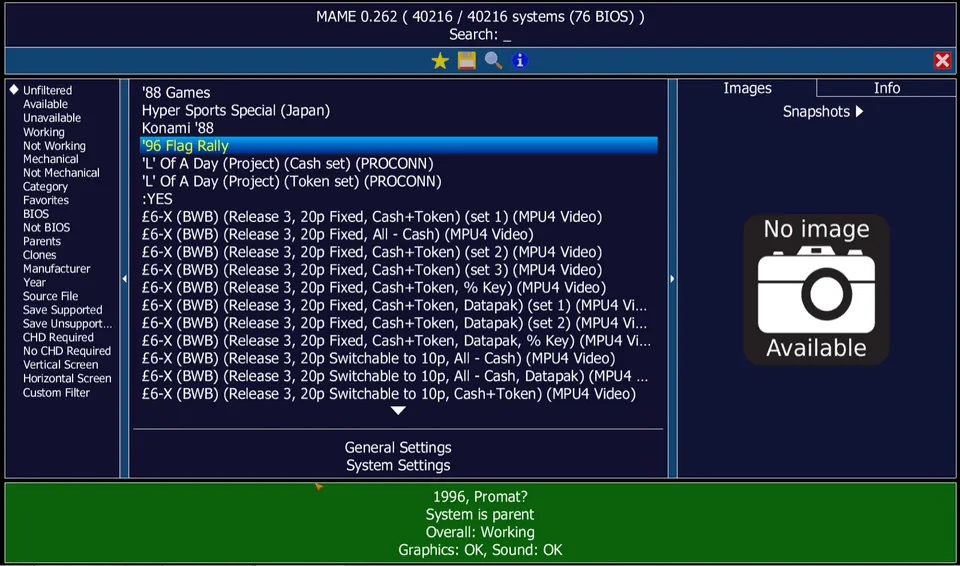
The Multiple Arcade Machine Emulator, a long-running project to document and preserve arcade hardware that covers thousands of boards and, since absorbing MESS, many computers and consoles as well.
A cycle-accurate emulator of the IBM PC 5150, XT 5160 and PCjr and the Tandy 1000, written in Rust and accurate enough to run 8088 MPH and Area 5150. It includes extensive debugging tools and a browser version.
A command-line multi-system emulator whose PlayStation, Saturn and PC Engine modules aim for high accuracy. It also covers Nintendo and Sega consoles and handhelds, the Atari Lynx, Virtual Boy and Apple II.
A multi-system emulator best known for its accurate NES core and deep debugging tools, also covering SNES, Game Boy, GBA, PC Engine, SMS/Game Gear and WonderSwan. Sour's repository is now an archive of version 2.1.1 (mid-2025); development continues as Mesen CE.
The community-maintained continuation of Mesen, run by the NESdev community, with the same multi-system cores and debugging tools.
A fast and accurate Game Boy Advance emulator that also runs Game Boy and Game Boy Color games, with Lua scripting, GDB debugging, link cable support and ports to the 3DS, Switch, Wii and Vita.
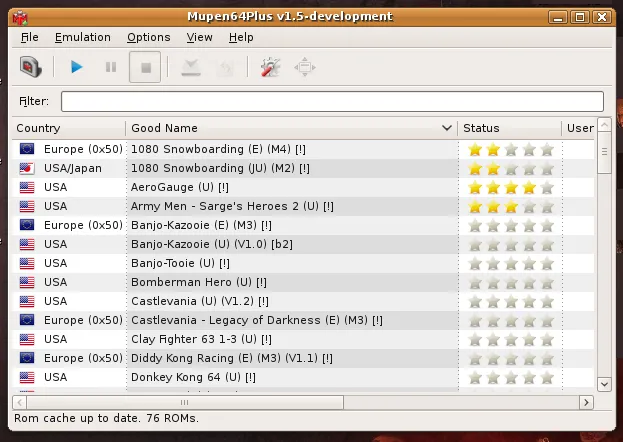
A cross-platform, plugin-based N64 emulator whose core is used by many frontends, including Rosalie's Mupen GUI, RetroArch and BizHawk. Its own interface is a command-line program.
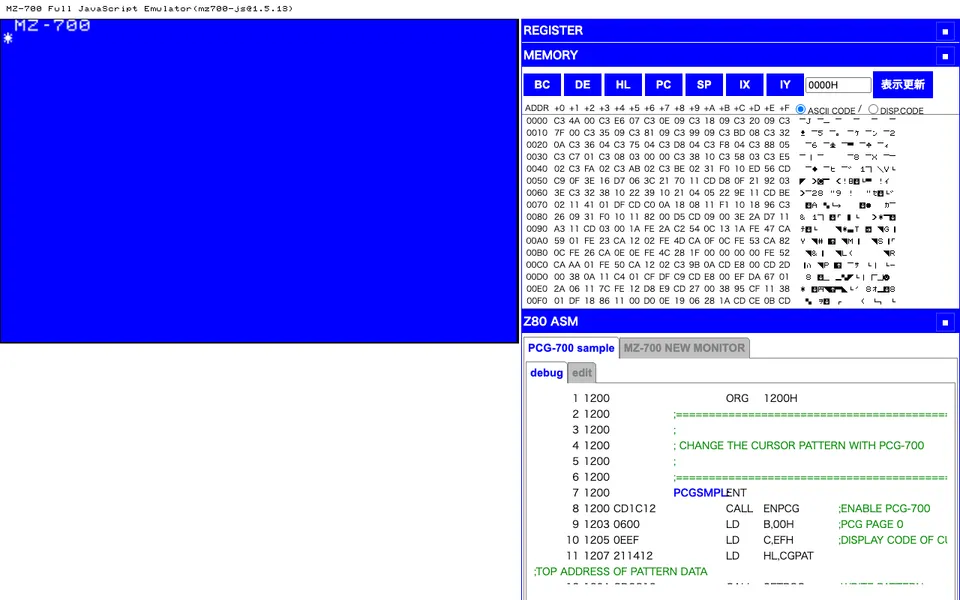
A JavaScript MZ-700 emulator that runs in the browser, with register and memory views and a built-in Z80 assembler.
An open-source emulator for the Sharp MZ-800, MZ-700 and MZ-1500, built with SDL3 and Dear ImGui and including a debugger and disassembler.
A cycle-accurate Game Boy Advance emulator, the first to pass all AGS aging cartridge tests. It adds an enhanced audio mixer, colour correction and graphics viewers. Development has moved from GitHub to Codeberg.
The Undead Edition of Nestopia, a highly accurate NES/Famicom emulator, maintained since the original author stopped development. Since version 2.0 its cross-platform GUI is built on the Jolly Good Emulation project's Qt frontend.
A PlayStation emulator and debugger by Martin Korth, the author of the widely used psx-spx hardware documentation. It includes its own BIOS clone, so no original BIOS is needed.
An MSX emulator that aims for exact emulation of real machines, with configurations for hundreds of specific models and extensions. It ships with the free C-BIOS so it starts without original ROMs, and has a built-in debugger and Tcl scripting.
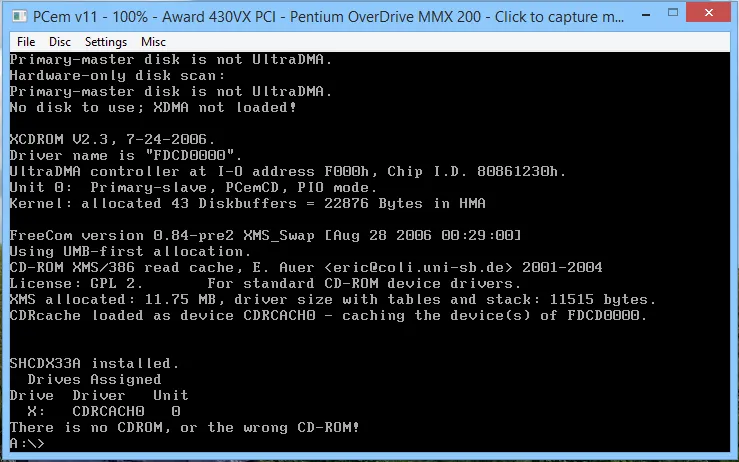
A low-level emulator of specific PC motherboards and graphics cards from the IBM PC to the Pentium era. It is the project 86Box was forked from.
A PCSX fork originally built for ARM handhelds, with a dynamic recompiler and NEON-optimised GPU. It runs most games without a BIOS through HLE, and a fork of it powers the PlayStation Classic.
A PCSX fork aimed at PlayStation development and reverse engineering, with an extensive Dear ImGui debugger and Lua scripting. The project also maintains OpenBIOS, a free replacement BIOS.
A fast Sega emulator originally written for ARM handhelds, covering the Mega Drive, Mega-CD, 32X, Pico and Sega's 8-bit systems. It was the first to properly emulate Virtua Racing's SVP chip, and has official builds for many handhelds and consoles.
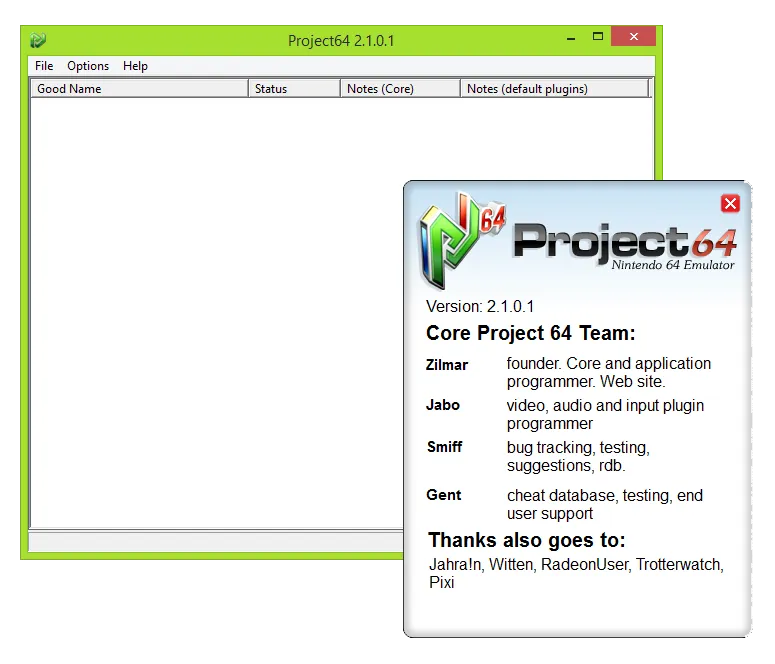
A long-running N64 and 64DD emulator for Windows, first released in 2001, with a plugin architecture for graphics, audio, input and RSP emulation and built-in debugging tools.
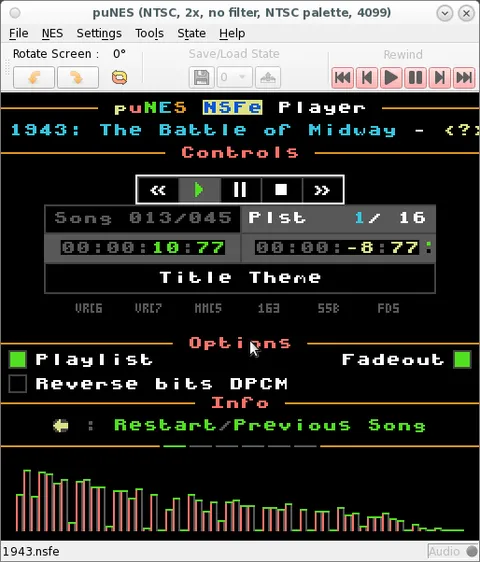
An accurate NES/Famicom emulator and NSF player with very wide mapper and UNIF board support, shader presets, rewind, a cheat editor and a Qt interface.
A polished emulator for the ZX Spectrum, Amstrad CPC (including the Plus range and GX4000), MSX-1, ColecoVision, SG-1000 and Master System, with a modern interface and display effects. Version 2.0, still offered for developers, has an integrated debugger.
A Qt front end for Mupen64Plus with a ROM browser and netplay, distributed as a ready-to-run package for Windows and Linux.
A highly accurate Game Boy and Game Boy Color emulator by Lior Halphon, with a native macOS interface, SDL and iOS versions and a powerful debugger.
An N64 emulator derived from Mupen64Plus with a streamlined interface. Its author archived it in February 2025 to focus on gopher64 and recommends gopher64 or RMG instead.
A low-level Game Boy, Game Boy Color, Game Boy Advance and DS emulator with highly accurate GBA emulation, long rewind and builds for desktop, mobile and the web.
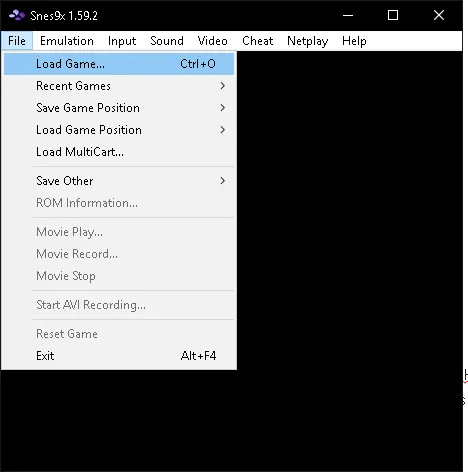
A fast, portable SNES emulator that has been developed since the 1990s. Lighter on hardware than cycle-accurate emulators and widely ported.
The classic Atari ST/STE emulator for Windows and Linux. Development stopped in 2004 and the source was later released, forming the basis of Steem SSE.
A continuation of Steem Engine with much improved hardware accuracy, aimed at demanding demos and copy-protected games.
An emulator for Sega's Model 3 arcade platform, running games such as Daytona USA 2, Scud Race, Fighting Vipers 2 and Star Wars Trilogy Arcade.
A 2026 cross-platform continuation of TIKI-100_emul with an SDL2 front end, hard disk and Hayes-modem-over-TCP serial emulation, and a WebAssembly build that runs in the browser.
Asbjørn Djupdal's freeware emulator for the Tiki 100 Rev. C, with builds for Windows and AmigaOS and C source for Unix/X11. Last updated in 2001; commercial use is not permitted.
A native macOS emulator of the Amiga 500, 1000 and 2000 that aims for cycle-exact accuracy, with a built-in debugger and a Metal renderer with CRT effects. Its core also powers vAmigaWeb.
vAmiga compiled to WebAssembly. Runs in the browser and installs as a PWA, with touch controls for phones and tablets.
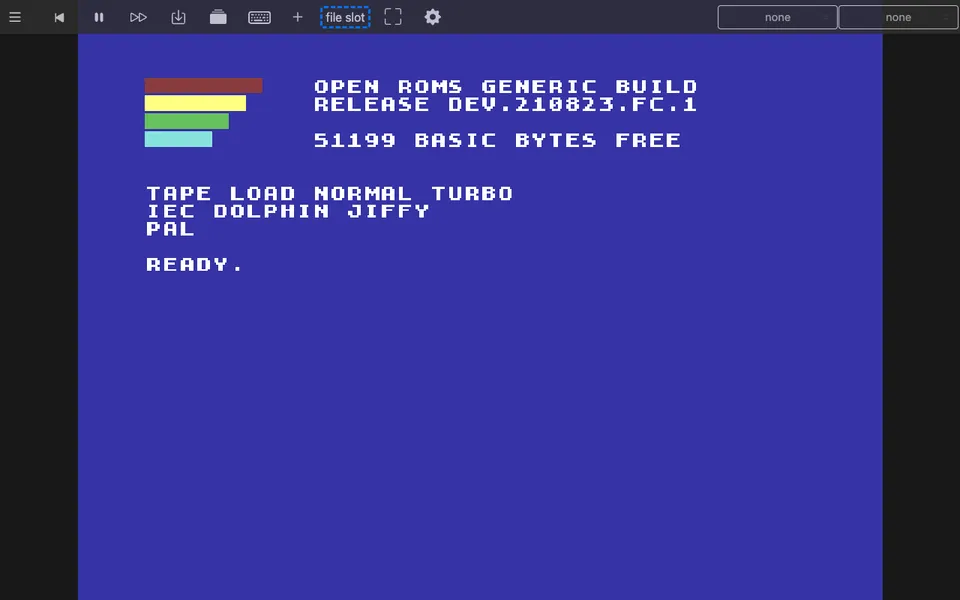
VirtualC64 compiled to WebAssembly. Runs in the browser and installs as a PWA on desktops, tablets and phones, with touch joystick support.
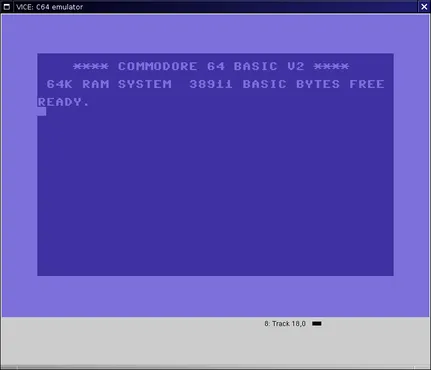
The Versatile Commodore Emulator. It covers the C64, C128, VIC-20, PET, Plus/4 and CBM-II, with true drive emulation, a built-in monitor and a large set of peripherals.
The long-running open-source Atari Jaguar emulator, built on David Raingeard's code, which descends from MAME's CoJag driver. The last release on its website is 2.1.2 from 2014; development continues in the libretro fork.
The maintained continuation of Virtual Jaguar, packaged as a libretro core with Jaguar CD support. Since v3.9 it also ships a standalone desktop app with a game library, CRT shaders and RetroAchievements.
A native macOS C64 emulator with a Metal-based renderer, built-in debugger and snapshot browser. Its core is shared with the vc64web browser port.
The maintained continuation of VisualBoyAdvance, emulating the Game Boy, Game Boy Color and Game Boy Advance with link cable support, video filters and a wxWidgets interface.
An MSX emulator for the browser covering MSX1, MSX2, MSX2+ and turbo R machines. Software can be started from a single link, and it has touch controls for phones and a shared-machine netplay mode.
A Windows emulator for the CPC and CPC Plus range, best known among CPC developers for its built-in assembler and debugger.
The reference Amiga emulator for Windows. It covers every model from the A1000 to the A4000 and CD32, with cycle-exact chipset emulation, accelerator boards and RTG graphics cards.
A ZX machines emulator covering the ZX80/81, every Spectrum model, the QL, Z88, Spectrum Next and many clones, plus the Amstrad CPC, MSX and Sega Master System, with a very extensive debugger.
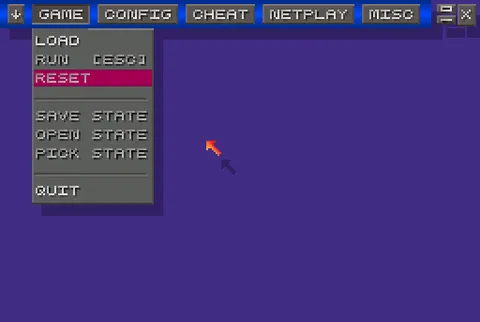
The SNES emulator that defined late-90s emulation, written largely in x86 assembly and known for its distinctive interface and early netplay. Long discontinued and inaccurate by today's standards.
Nothing matches those filters. Know one we're missing? Add it.